
Why Kitchen Renovation Matters
A kitchen renovation is one of the most rewarding home projects you can take on. The kitchen is where meals are prepared, conversations happen, and daily routines begin and end. When it functions well, your whole home feels more comfortable and efficient. When it doesn’t, even small tasks can become frustrating.
Beyond comfort, a well-planned kitchen renovation can improve storage, increase property value, and make your home more attractive to future buyers. Whether you are updating an older space or redesigning a cramped layout, the goal is the same: create a kitchen that fits your lifestyle now and for years to come.
Planning Your Kitchen Renovation
The planning stage is where a successful renovation begins. Before choosing finishes or appliances, take time to understand what is working in your current kitchen and what is not. Think about traffic flow, storage problems, lighting, and how often the space is used.
Start by setting a realistic budget. Include not only cabinets, counters, and flooring, but also labor, permits, appliances, fixtures, and a contingency fund for unexpected issues. Older homes especially can reveal surprises once demolition starts, so having extra room in your budget is essential.
Next, define your priorities. For some homeowners, the biggest need is more counter space. For others, it may be better organization, a larger island, or a layout that allows multiple people to cook together. A clear list of must-haves helps guide every decision that follows.
Set a Realistic Budget
Kitchen renovation costs can vary widely depending on the size of the room and the level of customization. Decide early where you want to spend and where you can save. For example, investing in durable cabinets and quality countertops may be wiser than choosing the most expensive decorative finishes.
It also helps to compare your wish list with your actual budget. If your goals and budget don’t match, you can often phase the project or choose materials that offer a similar look at a lower cost.
Identify Your Priorities
Make a list of the features that matter most. Common priorities include better storage, more prep space, upgraded appliances, improved lighting, and easier cleaning. Ranking these items will help you make confident choices when you need to compromise.
Designing a Functional Layout
The layout is the foundation of any kitchen renovation. A beautiful kitchen can still feel frustrating if the workflow is awkward. Good design should support the way you cook, clean, and gather with others.
Think about the classic kitchen work triangle, which connects the sink, refrigerator, and stove. While modern kitchens may not always follow this rule exactly, the idea remains useful: the main work areas should be easy to reach without unnecessary steps. In larger kitchens, consider zones for food prep, cooking, cleanup, and storage.
It’s also important to account for clear walkways, enough room for appliance doors to open, and seating that doesn’t block movement. If you entertain often, an island or peninsula may be a smart addition. If your kitchen is small, efficient cabinetry and thoughtful placement of appliances can make a major difference.
Choosing Materials and Finishes
Materials affect both the appearance and durability of your kitchen renovation. Since the kitchen sees heavy daily use, choose finishes that can handle moisture, heat, spills, and constant cleaning.
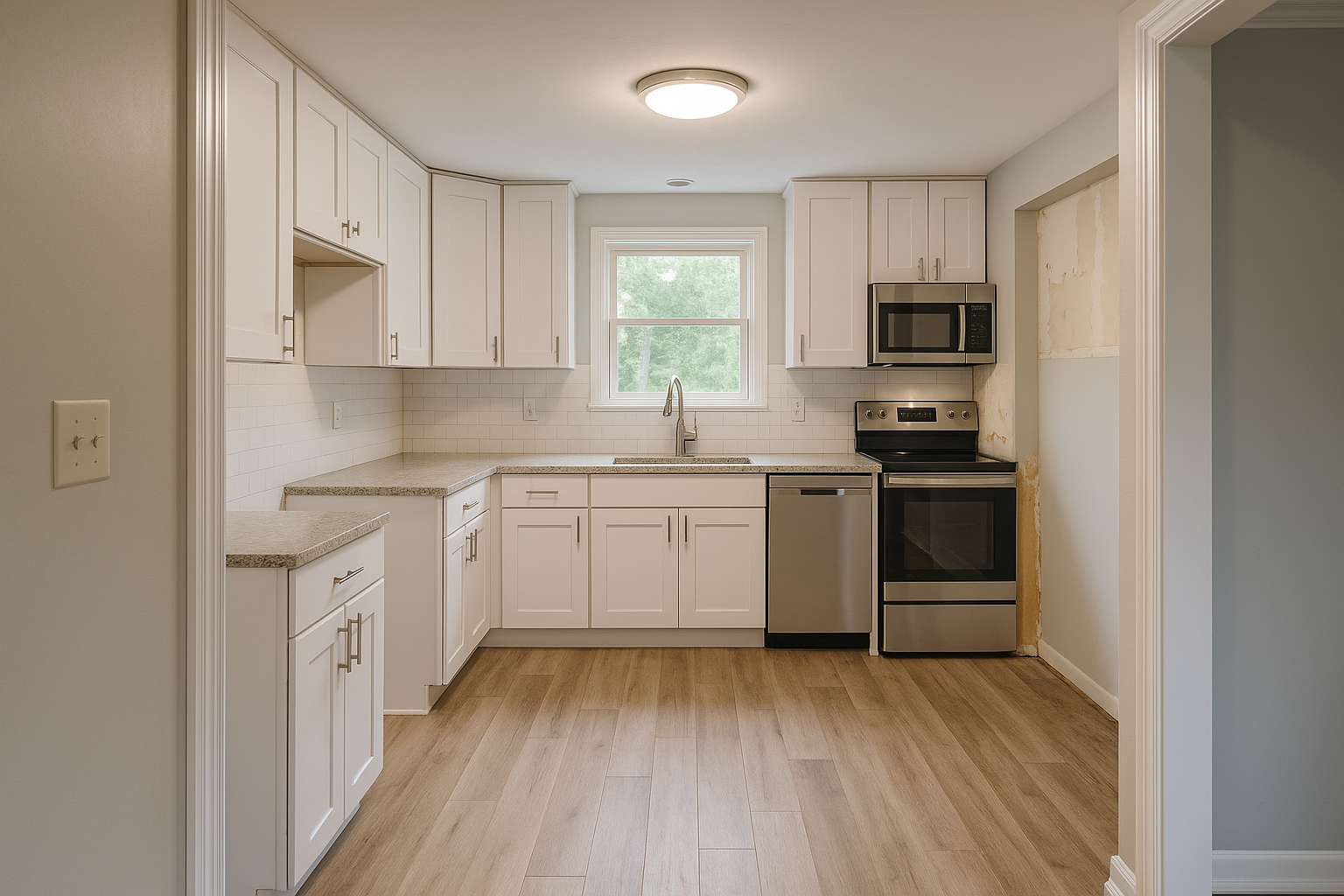
Cabinets are one of the biggest visual elements in the room. Solid wood, high-quality plywood boxes, and durable painted or laminated finishes are all common options. For countertops, quartz remains popular because it is low-maintenance and long-lasting, while granite, butcher block, and solid surface materials each offer their own benefits.
Flooring should be comfortable underfoot and easy to clean. Tile, luxury vinyl plank, and engineered wood are popular choices depending on your style and budget. Backsplashes, hardware, and paint colors are smaller details, but they help tie the design together and add personality without overwhelming the space.
When selecting finishes, aim for a balance between trend and timelessness. It is fine to add modern touches, but the biggest components of the kitchen should still feel fresh years later.
Working with Contractors and Timelines
Unless your renovation is very small, hiring the right professionals can save time, stress, and costly mistakes. A contractor, designer, electrician, plumber, or cabinet installer may all be involved depending on the scope of the project.
Before work begins, ask for references, review previous projects, and make sure expectations are clear in writing. Confirm what is included in the estimate, who is responsible for permits, and how changes will be handled if unexpected issues arise. Clear communication is one of the best ways to keep the project on track.
Timelines matter too. A kitchen renovation can take anywhere from a few weeks to several months, depending on complexity and material availability. Plan for temporary cooking arrangements so daily life remains manageable while your kitchen is out of service.
Hiring the Right Professionals
Choose professionals who listen carefully, explain options clearly, and show a track record of quality work. The lowest bid is not always the best value if it leads to delays or poor workmanship. A reliable team can make the renovation experience much smoother.
Staying on Schedule
Delays are common in renovation projects, especially when materials are backordered or hidden problems are discovered. Build flexibility into your schedule and make decisions early to avoid bottlenecks. Prompt approvals and quick communication can help the project move forward.
Conclusion
A successful kitchen renovation combines smart planning, functional design, durable materials, and the right team. When you focus on how the space will truly be used, the result is a kitchen that looks great and makes everyday life easier. With a clear budget, thoughtful choices, and realistic expectations, your renovation can deliver value and enjoyment for years to come.