
What Is Custom Home Remodeling?
Custom home remodeling is the process of updating, expanding, or reconfiguring a home to fit your lifestyle, taste, and long-term goals. Unlike basic cosmetic updates, custom remodeling is tailored to your specific needs, whether that means opening up a floor plan, creating a chef-inspired kitchen, finishing a basement, or designing a spa-like primary suite.
It is called “custom” because the project is built around your vision. Every choice, from layout and materials to storage and finishes, is designed to solve problems and improve how you live in the space. For homeowners who want their house to work better for daily life, custom remodeling can be one of the most rewarding investments they make.
Benefits of Custom Home Remodeling
One of the biggest advantages of custom home remodeling is the ability to improve both function and comfort. A well-planned remodel can make a home easier to use, more beautiful, and more efficient. For example, a dated kitchen can become a central gathering place with better workflow, more counter space, and modern appliances. A cramped bathroom can be transformed into a relaxing retreat with thoughtful lighting and storage.
Custom remodeling can also increase your home’s value. Buyers often respond strongly to layouts and finishes that feel fresh, practical, and move-in ready. Even if you do not plan to sell soon, improvements like updated electrical systems, better insulation, energy-efficient windows, and improved plumbing can make daily living more affordable and comfortable.
Another benefit is personalization. Instead of adapting your life to your house, custom remodeling allows your home to reflect the way you actually live. Whether you need a home office, a larger mudroom, a more open entertaining area, or a quiet reading nook, the finished result can match your routine and style in a way a standard renovation often cannot.
Popular Custom Remodeling Projects
Custom remodeling can take many forms, depending on the age of the home and the priorities of the owner. Some of the most popular projects include kitchen remodels, bathroom renovations, basement finishing, room additions, and whole-home updates. Each of these can be adapted to suit different budgets, space constraints, and design goals.
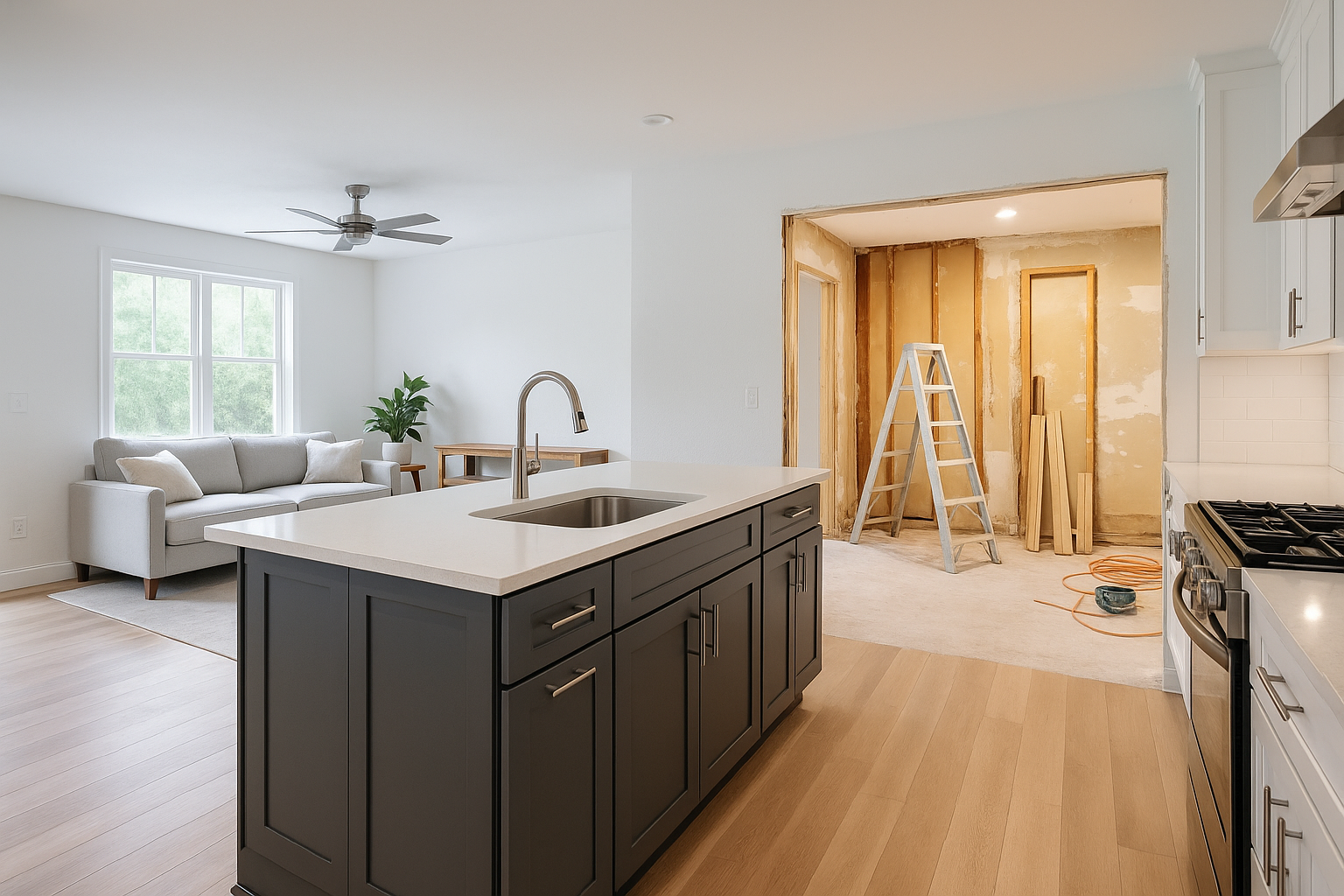
Kitchen remodels are among the most common because the kitchen is often the heart of the home. A custom kitchen may include a larger island, improved storage, custom cabinetry, upgraded lighting, and a layout that makes cooking and entertaining easier.
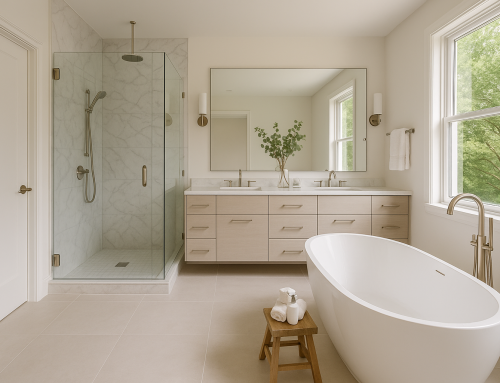
Bathroom remodeling can range from simple upgrades to complete transformations. Homeowners often choose to add walk-in showers, double vanities, heated floors, or better ventilation to make the room more functional and enjoyable.
Basement finishing is another popular choice for families who need more usable space. A finished basement can become a media room, guest suite, playroom, home gym, or office.
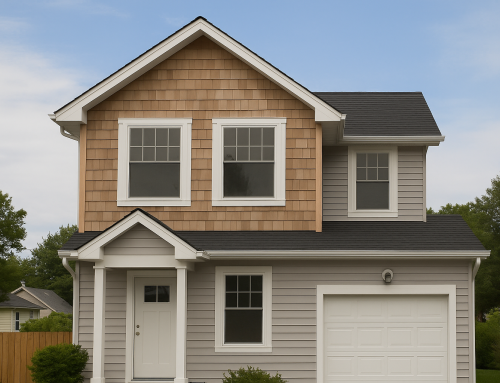
Room additions help homeowners expand without moving. This may include an extra bedroom, a sunroom, a larger family room, or even a second-story addition.
Whole-home remodeling is ideal for older properties that need structural, mechanical, and design updates all at once. This approach can unify the style of the house and bring it up to modern standards.
How to Plan a Successful Remodeling Project
A successful custom remodeling project starts with clear goals. Before meeting with a contractor or designer, think carefully about what is not working in your current home and what you want the space to accomplish. Are you trying to improve traffic flow, add storage, create more room for guests, or update an outdated style? The more specific your goals are, the easier it becomes to make smart decisions.
Next, establish a realistic budget. Custom remodeling gives you flexibility, but it also requires careful planning because costs can vary widely depending on the scope of work, materials, labor, and any structural changes. It is wise to leave room in your budget for unexpected issues, especially in older homes where hidden problems may appear once work begins.
Timing is also important. Some projects can be completed quickly, while others may take weeks or months, especially if permits, design revisions, or specialty materials are involved. Planning ahead helps reduce stress and gives your team the time they need to do quality work.
Finally, gather inspiration but remain open to expert guidance. Photos, sketches, and examples can help communicate your style, but a skilled remodeling professional can also suggest practical solutions you may not have considered. The best results often come from combining your vision with experienced advice.
Choosing the Right Remodeling Partner
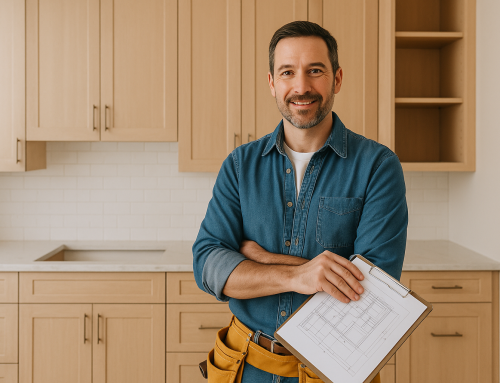
Selecting the right contractor or remodeling company is one of the most important decisions in the process. Look for a team with a strong portfolio, positive client reviews, proper licensing, and experience with projects similar to yours. A reliable partner should communicate clearly, explain the timeline, and provide a detailed estimate that outlines what is included.
It is also helpful to work with professionals who understand design as well as construction. Custom home remodeling often involves blending aesthetics with function, so a team that can help with layout, materials, and finishes can add significant value. During the interview process, ask about their process, how they handle changes, and how they manage unexpected issues. Good communication from the beginning can prevent misunderstandings later.
Final Thoughts
Custom home remodeling is a powerful way to make your home more attractive, efficient, and personalized. With thoughtful planning and the right team, you can transform outdated or awkward spaces into rooms that truly support your lifestyle. Whether you are improving one room or reimagining your entire home, a custom remodel can create lasting comfort and value for years to come.