
What Does a Sunroom Addition Contractor Do?
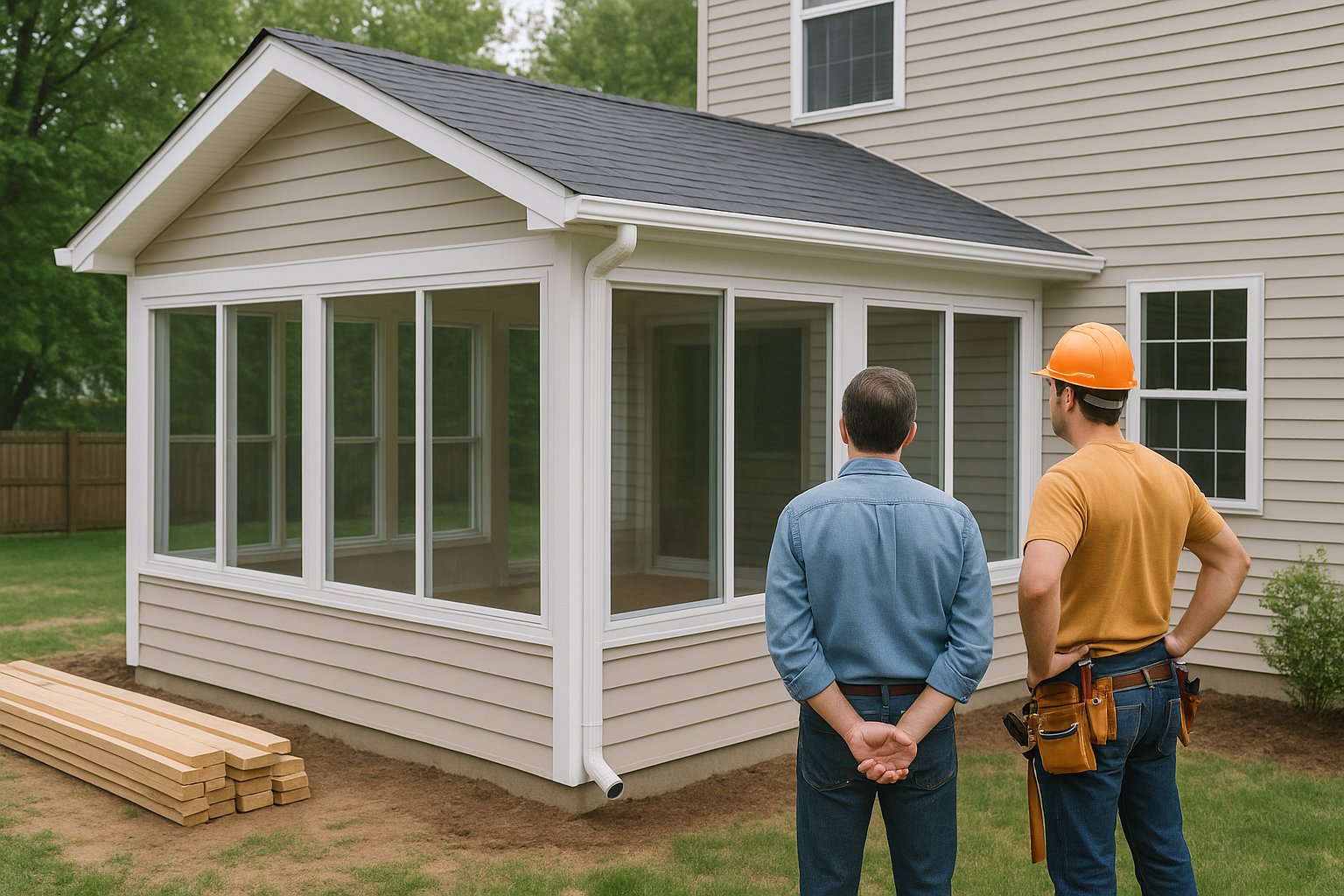
A sunroom addition contractor plans, coordinates, and builds the space that connects your home to the outdoors. Unlike a general remodel that may only update one room, a sunroom project often involves design, framing, roofing, insulation, windows, electrical work, flooring, and finishing details. The contractor’s role is to bring all of these moving parts together so the addition looks like a natural extension of your home.
In many cases, a sunroom contractor also helps you understand what type of room best fits your goals. Some homeowners want a bright three-season space for relaxing, while others want a fully insulated four-season room that can be used year-round. A qualified contractor will help you choose materials, layouts, and construction methods that fit your budget and how you plan to use the room.
Why Hiring the Right Contractor Matters
A sunroom addition is a significant investment, and the quality of the contractor can make the difference between a beautiful, lasting space and a costly headache. The right professional will understand how to tie the new structure into your existing home, manage drainage and insulation concerns, and build a room that is comfortable in both warm and cool weather.
Hiring the wrong contractor can lead to problems such as leaks, drafts, uneven flooring, poor permit handling, or a design that feels disconnected from the rest of the house. Since sunrooms often include large windows and unique structural demands, experience matters. A contractor with the right background will anticipate issues before they become expensive repairs.
How to Choose the Best Sunroom Addition Contractor
Look for Experience with Similar Projects
Not every remodeler or builder has hands-on experience with sunrooms. Ask potential contractors about previous additions they have completed, especially ones similar to the style and size you want. Review photos, ask for references, and find out whether they have worked on both three-season and four-season rooms.
Check Licensing, Insurance, and Permits
A reputable contractor should be properly licensed and insured for your area. This protects you if there is an accident on the job site and helps ensure the work meets local building codes. It is also important to confirm that the contractor understands the permit process, since many sunroom additions require zoning review, inspections, and approved plans before construction begins.
Review Communication and Project Management
Clear communication is essential. The best contractor will explain the timeline, materials, cost breakdown, and what to expect during each phase of the project. They should also be responsive to questions and able to coordinate subcontractors, inspections, and deliveries without constant follow-up from you. Strong project management keeps the build moving and reduces stress.
Compare Detailed Estimates
When reviewing bids, look beyond the final number. A thorough estimate should explain labor, materials, window specifications, insulation, foundation work, electrical upgrades, and finish details. If one estimate is much lower than the others, ask why. A low bid may leave out important items that later become change orders or surprise costs.
Questions to Ask Before You Hire
Before signing a contract, ask a few key questions to understand how the contractor works. For example: How many sunroom additions have you completed? Will you handle permits and inspections? What is included in the estimate? Who will be on-site each day? How do you handle delays or unexpected issues?
It also helps to ask about warranty coverage. A professional contractor should stand behind both workmanship and materials. Knowing what is covered after the project ends gives you peace of mind and shows that the contractor is confident in the quality of their work.
What to Expect During the Project
Most sunroom addition projects follow a similar process. First comes design and planning, followed by permitting and preparation. Then the contractor builds the foundation, frame, roof, and exterior shell before adding windows, insulation, wiring, flooring, and interior finishes. Depending on the size and complexity of the project, construction may take several weeks or longer.
During the process, there may be some disruption to your yard or part of your home. A good contractor will help minimize inconvenience and keep the work area organized. They should also provide updates if weather, material availability, or inspection schedules affect the timeline.
Benefits of Working with a Professional Contractor
Working with a professional sunroom addition contractor can save time, reduce stress, and improve the final result. You get a space that is built for comfort, durability, and code compliance. A skilled contractor also helps ensure the addition blends with your home’s architecture, which can improve curb appeal and add long-term value.
Another benefit is expert guidance. From choosing energy-efficient windows to deciding on heating and cooling options, a contractor can help you make smart decisions that fit your lifestyle. That guidance is especially valuable when you want the room to feel comfortable in every season.
Conclusion
Choosing the right sunroom addition contractor is one of the most important steps in creating a space you will enjoy for years. By focusing on experience, communication, licensing, and detailed estimates, you can hire a professional who will bring your vision to life with fewer surprises and better results.
With the right team, your sunroom can become one of the most welcoming and versatile spaces in your home.