
Window frame repair is one of those home maintenance tasks that can make a big difference in comfort, appearance, and energy efficiency. A damaged frame can let in drafts, cause sticking windows, allow moisture to seep in, and even lead to bigger structural problems if left unchecked. The good news is that many window frame issues can be repaired before they turn into expensive replacements.
Whether your frames are wood, vinyl, or aluminum, knowing how to spot damage early and choose the right repair method can save time and money. Below, we’ll walk through the most common causes of damage, how to identify problems, when to repair versus replace, and what to expect during the repair process.
Common Causes of Window Frame Damage
Window frames take a lot of abuse over the years. They’re exposed to sunlight, rain, temperature changes, and daily use, all of which can wear them down. Understanding the cause of the damage helps you choose the best fix and prevent it from happening again.
Moisture and Rot
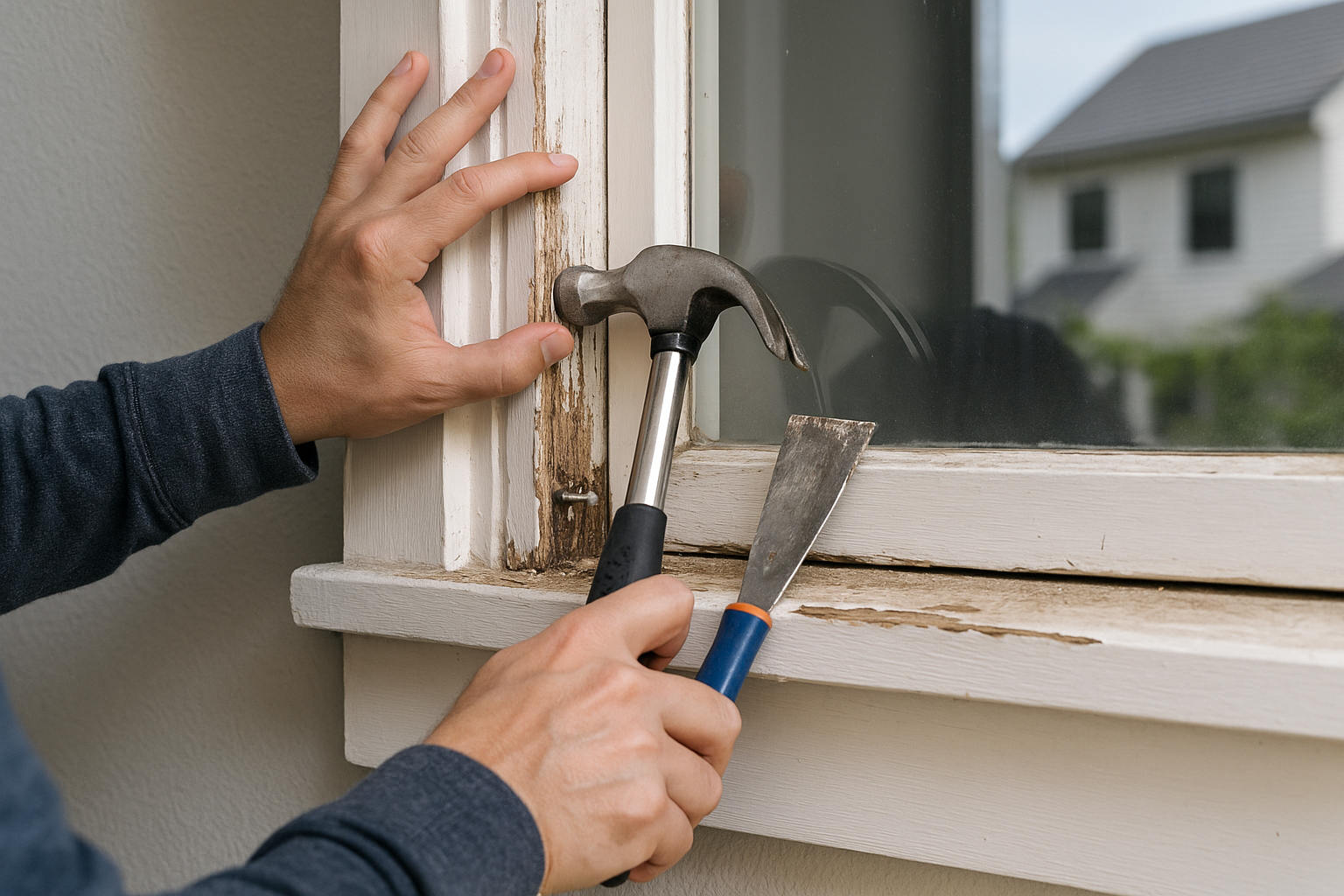
Water is one of the biggest threats to wood window frames. When paint fails or caulking cracks, moisture can get into the frame and cause wood rot. Over time, the frame may become soft, discolored, or crumbly. Even small areas of rot should be addressed quickly, since they can spread deeper into the surrounding material.
Age and General Wear
As windows get older, frames naturally deteriorate. Sealants dry out, joints loosen, and surfaces begin to crack or warp. Older frames may also lose their ability to insulate properly, which can increase energy bills and reduce indoor comfort.
Weather Exposure
Sun, wind, snow, and humidity all contribute to frame damage. Intense sunlight can cause fading and brittleness, while repeated freezing and thawing can open gaps and weaken materials. Homes in harsh climates often need more frequent maintenance to keep frames in good shape.
Pest Damage
Insect infestations, especially termites or carpenter ants, can weaken wooden frames. If you notice tiny holes, sawdust-like debris, or hollow-sounding wood, pests may be part of the problem. Repairing the frame without addressing the infestation will only lead to more damage later.
How to Know If a Window Frame Needs Repair
Some window frame problems are obvious, while others are easy to miss. Regular inspections can help you catch issues before they become serious.
Signs to Watch For
- Drafts: If you feel air coming through closed windows, the frame may have gaps or failing seals.
- Visible cracks: Cracks in the frame, caulk, or paint can allow water and air to enter.
- Sticking windows: Frames that warp or swell can make windows hard to open and close.
- Soft or crumbling wood: This often points to rot and means the damaged section needs repair.
- Condensation or water stains: Moisture around the frame can signal leaks or poor sealing.
If a window is still functional but shows one or more of these warning signs, repair is often a smart first step.
Window Frame Repair vs. Replacement
One of the most common questions homeowners ask is whether to repair or replace a damaged window frame. The answer depends on the extent of the damage, the type of frame, and the age of the window.
When Repair Makes Sense
Repair is usually the right choice when the damage is limited to a small section of the frame, such as minor rot, peeling paint, small cracks, or failing caulk. If the window is otherwise in good condition, targeted repair can restore function and extend its life for years.
When Replacement Is Better
Replacement may be the better option if the frame is severely warped, extensively rotted, structurally unstable, or no longer energy efficient. If multiple windows are damaged or repairs would cost nearly as much as a new unit, replacement may offer better long-term value.
A professional inspection can help you determine whether repairing the current frame is worthwhile or if installing a new window is the smarter investment.
The Window Frame Repair Process
Window frame repair varies depending on the material and severity of the damage, but most projects follow a similar process. Knowing what to expect can help you plan ahead.
Inspection and Damage Assessment
The repair process begins with a close inspection of the frame, surrounding trim, and sill. A technician or experienced homeowner will identify the source of the damage and determine whether the problem is surface-level or structural.
Removing Damaged Material
Loose paint, rotted wood, cracked sealant, or bent sections are removed first. For wood frames, any softened material must be cut away to reach solid wood underneath. If moisture is the root cause, the source of the leak should also be corrected before any patching begins.
Repairing or Rebuilding the Frame
Depending on the material, repairs may include epoxy fillers, wood patches, caulking, sanding, or replacing small sections of the frame. Vinyl or aluminum frames may require specialized patching or part replacement. The goal is to restore the frame’s shape, strength, and weather resistance.
Finishing and Sealing
Once the repair is complete, the frame is sealed and refinished. For wood frames, this usually includes primer and paint to protect against moisture. Fresh caulk around the edges helps block drafts and prevent future leaks. A proper finish is essential for making the repair last.
DIY or Hire a Professional?
Some window frame repairs are simple enough for a confident DIYer, especially if the damage is minor and the frame is easy to access. Small caulking jobs, touch-up painting, and minor surface repairs can often be handled with basic tools.
However, professional help is a better choice when the damage is extensive, the frame is part of a larger structural issue, or the window is difficult to remove and repair safely. A contractor or window specialist can also identify hidden problems that may not be visible at first glance.
In general, if you’re dealing with rot, water intrusion, or frame instability, it’s wise to get expert advice before proceeding.
How to Prevent Future Damage
After repairing a window frame, a little preventative care can go a long way. Regular maintenance helps protect your investment and reduces the chance of repeat problems.
- Inspect windows at least twice a year for cracks, peeling paint, or damaged caulk.
- Keep frames clean and free of debris that can trap moisture.
- Repaint or reseal wood frames as needed to protect against water damage.
- Check for condensation or leaks after heavy rain or storms.
- Make sure gutters and downspouts direct water away from the home.
These simple steps can extend the life of your windows and help them perform better year-round.
Conclusion
Window frame repair is an important part of keeping your home comfortable, efficient, and protected from the elements. By catching damage early and choosing the right repair approach, you can often avoid the cost of full replacement. If you notice signs of rot, drafts, or moisture around your windows, addressing the issue promptly is the best way to preserve both the frame and the window itself.