
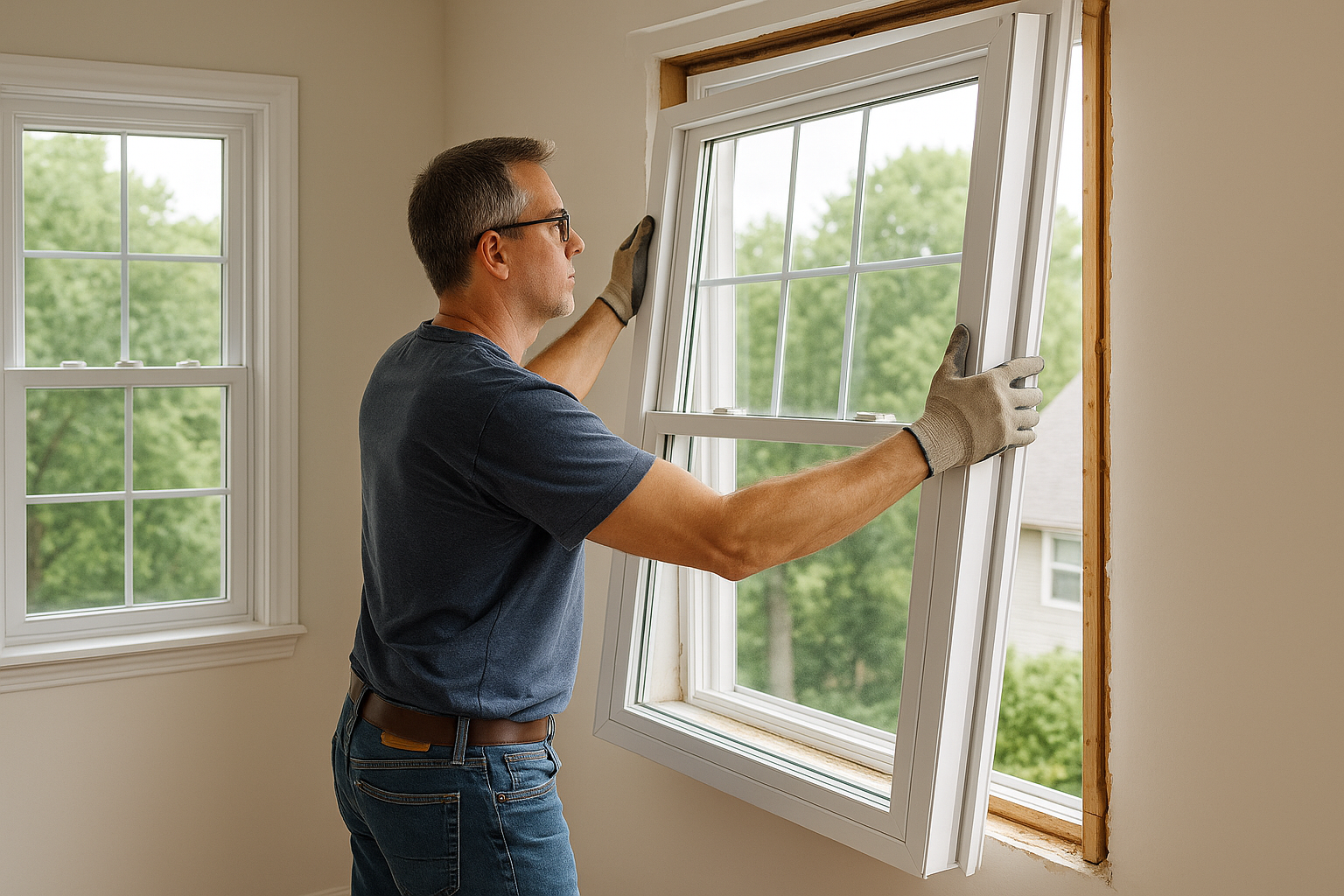
Why Window Replacement Matters
Window replacement is one of the most valuable home improvement projects you can take on. New windows can improve comfort, reduce energy loss, lower outside noise, and refresh the look of your home. If your current windows are drafty, difficult to open, or showing visible damage, replacing them can make a noticeable difference in both daily living and long-term property value.
Many homeowners begin considering window replacement when energy bills rise or rooms feel uneven in temperature. Others are motivated by older windows that no longer seal properly or by a desire to update the style of their home. Whatever the reason, understanding the process helps you make a smarter investment.
Signs It’s Time to Replace Your Windows
Windows do not usually fail all at once. Instead, they show warning signs over time. Recognizing those signs early can help you avoid higher heating and cooling costs, water damage, and ongoing frustration.
Drafts and Temperature Changes
If you feel a draft near closed windows or notice that certain rooms are always colder or hotter than the rest of the house, your windows may no longer be insulating properly. Air leakage is one of the clearest signs that replacement is due.
Difficulty Opening, Closing, or Locking
Windows should open and close smoothly. If yours stick, jam, or will not lock securely, the frame may be warped or the hardware may be worn out. This can affect both convenience and home security.
Condensation Between Panes
Double- and triple-pane windows are designed to trap insulating gas between layers of glass. If you see fogging or condensation trapped between panes, the seal has likely failed. In most cases, that means replacement is the best option.
Visible Damage or Rot
Cracked glass, soft wood, peeling paint, or rotting frames should not be ignored. Damage can spread and lead to bigger repairs if moisture gets in. Replacing the window can protect the structure around it.
Benefits of New Windows
Choosing window replacement offers more than a cosmetic upgrade. The right windows can make your home quieter, more efficient, and easier to maintain.
Better Energy Efficiency
Modern windows are designed with improved glazing, stronger seals, and energy-efficient frames. These features help reduce heat transfer, which can lower utility costs and improve year-round comfort.
Improved Curb Appeal
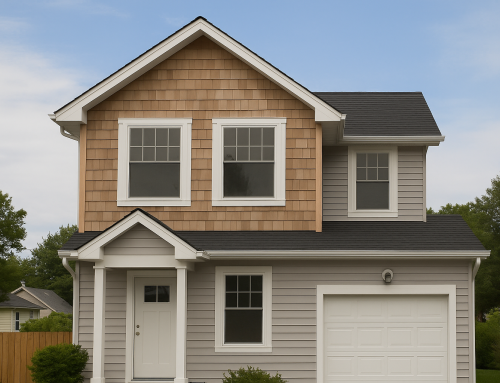
New windows can dramatically change the appearance of a home. Whether you prefer a classic or contemporary look, updated window styles can make the exterior feel cleaner, brighter, and more polished.
Less Maintenance
Older windows often require frequent painting, repairs, or hardware adjustments. Newer models are easier to care for and may include materials that resist moisture, peeling, and warping.
Increased Home Value
Window replacement is often viewed as a worthwhile investment because it can appeal to future buyers. Energy efficiency and updated appearance are both features that many buyers appreciate.
Types of Replacement Windows
Before starting a project, it helps to understand the main types of replacement windows available. Your choice will depend on budget, home style, and performance goals.
Double-Hung Windows
Double-hung windows are a popular option because both sashes move up and down. They are easy to clean and work well in many home styles.
Casement Windows
Casement windows open outward with a crank. They are known for a tight seal when closed, which can be helpful for energy performance.
Sliding Windows
Sliding windows operate horizontally and are a practical choice for wide openings. They are simple to use and often fit modern homes nicely.
Bay and Bow Windows
These window styles extend outward from the home and can create extra space, more natural light, and a distinctive architectural look.
What to Consider Before Replacing Windows
A successful window replacement project starts with planning. The right decisions up front can help you avoid delays, unexpected costs, and performance issues later.
Material Options
Window frames are commonly made from vinyl, wood, aluminum, fiberglass, or composite materials. Vinyl is often budget-friendly and low maintenance. Wood offers a traditional appearance but may require more upkeep. Fiberglass and composite options tend to be durable and efficient, though they may cost more.
Energy-Efficient Features
Look for features such as low-E glass, argon gas fills, and insulated frames. These upgrades can improve performance and help your windows work better in extreme temperatures.
Style and Function
Think about how the windows will look from both inside and outside your home. Also consider where ventilation matters most. For example, a kitchen or bathroom may benefit from windows that open easily, while picture windows are great for views and natural light.
Budget and Long-Term Value
It is tempting to focus only on the lowest upfront cost, but long-term value matters. A slightly higher investment in quality windows and professional installation may pay off through better efficiency and durability.
Professional Installation vs. DIY
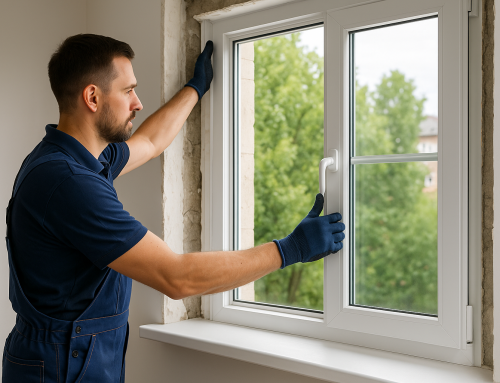
Some homeowners consider installing replacement windows themselves to save money. While that may sound appealing, window replacement requires careful measurement, proper sealing, and knowledge of building conditions.
Professional installation can reduce the risk of air leaks, water intrusion, and operational problems. A trained installer can also spot hidden issues such as damaged framing or insulation gaps. For most homeowners, professional installation offers peace of mind and better long-term results.
How to Prepare for Window Replacement
Preparation can make the project smoother and less disruptive. Start by clearing furniture, curtains, and wall decor near the windows. Make sure installers have easy access to each area. If needed, ask how long the work will take and whether any part of the home needs special protection.
It is also smart to discuss details like trim, cleanup, warranty coverage, and disposal of old windows before the project begins. Clear communication helps prevent surprises and keeps the process on track.
Conclusion
Window replacement is more than a home upgrade; it is an investment in comfort, efficiency, and peace of mind. By watching for signs of failure, understanding your options, and planning carefully, you can choose windows that improve your home for years to come. If your current windows are no longer performing well, now may be the right time to start exploring your replacement options.