
Home Addition Services: A Practical Guide to Expanding Your Living Space
When your home starts feeling too small, moving is not your only option. Home addition services give you a way to create more room, improve functionality, and increase property value without giving up the neighborhood you love. Whether you need an extra bedroom, a larger kitchen, a sunroom, or a second-story expansion, the right addition can transform the way you live.
Why Home Addition Services Are Worth Considering
A well-planned home addition does more than add square footage. It solves everyday problems. Maybe your family is growing, you work from home more often, or you simply want a more open and comfortable layout. Instead of compromising with temporary fixes, an addition allows you to tailor your home to your current needs.
Home addition services can also be a smart long-term investment. In many cases, added living space can improve resale value, especially when the project is designed to match the style and function of the existing home. Buyers often appreciate extra bedrooms, larger gathering areas, and modern upgrades that make a home more usable.
Common Types of Home Additions
There are many ways to expand a home, and the best choice depends on your goals, budget, and available space. Professional home addition services typically include several popular project types.
Room Additions
A room addition creates a new enclosed space that blends with the rest of the house. This could be a guest room, home office, nursery, or family room. Room additions are ideal when you need one dedicated area that serves a specific purpose.
Second-Story Additions
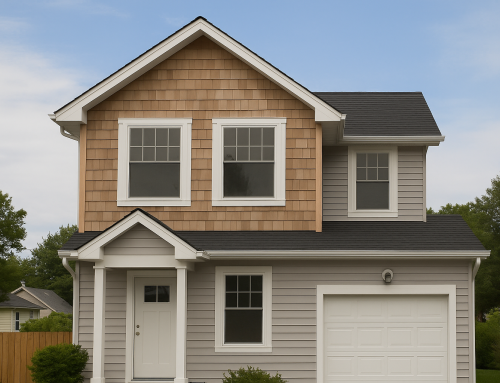
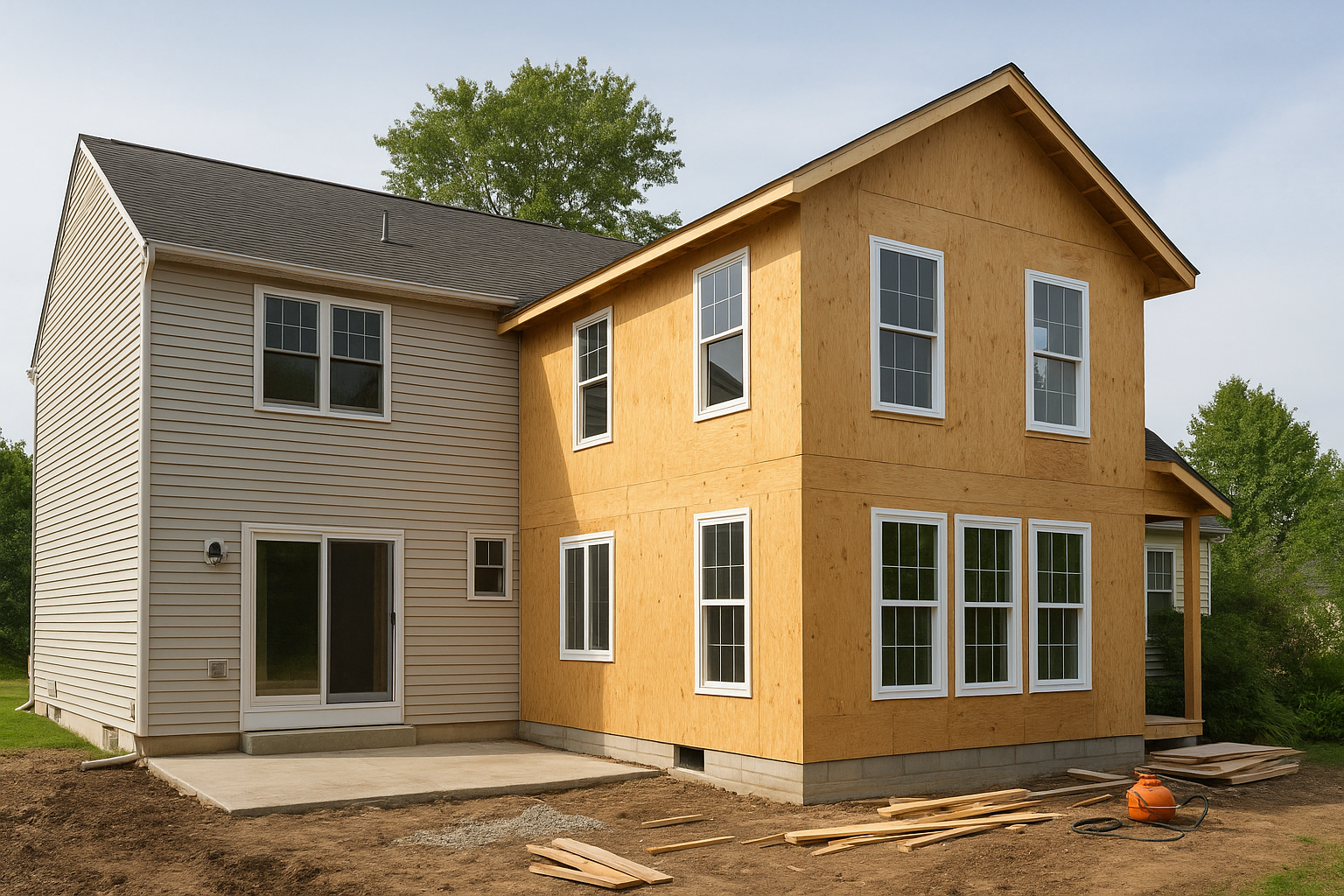
If your lot is limited, building upward may be the best solution. A second-story addition can nearly double your living space while preserving yard space. This type of project is more complex, but it can dramatically change the layout and function of your home.
Kitchen Expansions
Many homeowners choose to expand the kitchen because it is one of the most used spaces in the house. A larger kitchen can provide more storage, better traffic flow, and room for dining or entertaining. Kitchen additions often increase both comfort and home value.
Bathroom Additions
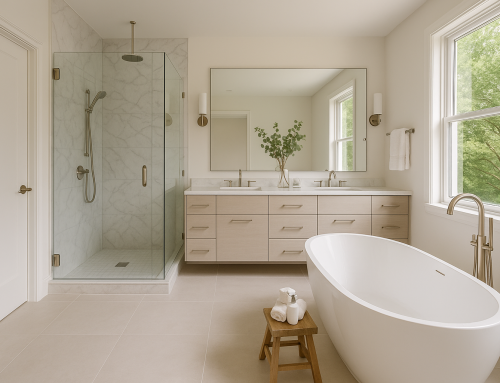
Adding another bathroom can make daily life much easier, especially for larger households. Bathroom additions are one of the most practical upgrades, reducing morning congestion and improving convenience for guests and family members.
Garage Conversions and Bump-Outs
Not every addition needs to be a major build. Garage conversions and bump-outs can create extra space at a lower cost than a full-scale addition. A bump-out extends one part of a room, while a garage conversion repurposes existing square footage into livable space.
The Home Addition Process
Understanding the process helps you set realistic expectations and make informed decisions. While every project is different, most home addition services follow a similar path from planning to completion.
Initial Consultation and Planning
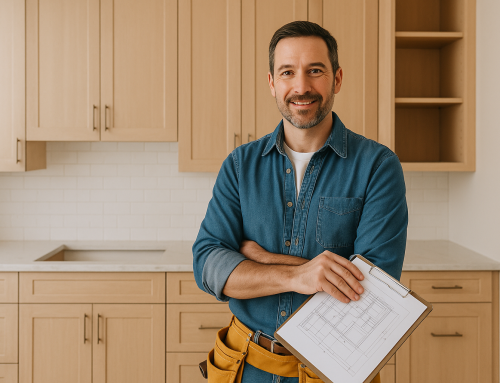
The process usually begins with a consultation to discuss your goals, budget, and timeline. This is the stage where you share what you want to achieve, whether it is more space, better flow, or a specific room type.
Design and Layout
Once the goals are clear, the design phase begins. A professional team will evaluate your home’s structure, check local building codes, and develop plans that fit your property. Good design is essential for making the addition look and feel like a natural part of the house.
Permits and Approvals
Most additions require permits before construction can begin. A reputable contractor will help manage the paperwork and ensure the project meets local regulations. This step may take time, but it is necessary for safety and compliance.
Construction
After approvals are in place, construction starts. Depending on the size and complexity of the addition, this phase may include foundation work, framing, electrical, plumbing, insulation, drywall, and finishing details. Clear communication during construction is important so you know what to expect at each stage.
Final Walkthrough
When the work is complete, the contractor should conduct a final walkthrough with you. This is your chance to review the finished space, ask questions, and ensure everything meets the agreed-upon standards.
Benefits of Hiring Professional Home Addition Services
While some homeowners may be tempted to take on part of the work themselves, home additions are usually best handled by experienced professionals. The complexity of these projects makes expertise especially valuable.
A professional team can help you avoid costly mistakes, keep the project on schedule, and coordinate multiple trades such as carpentry, plumbing, and electrical work. They also understand how to create a seamless transition between old and new spaces so the addition feels intentional rather than attached as an afterthought.
Another major benefit is peace of mind. With a qualified contractor, you have someone managing the details, handling inspections, and keeping the project aligned with building codes and safety standards.
How to Choose the Right Home Addition Contractor
Choosing the right contractor is one of the most important parts of the process. Start by looking for experience with similar projects. A contractor who regularly handles home addition services will understand the unique challenges of expanding an existing structure.
Ask to see photos of past work and read customer reviews. It is also helpful to request a detailed estimate that outlines materials, labor, timeline, and any potential extra costs. Communication matters just as much as skill, so choose a contractor who listens carefully and explains each step clearly.
Make sure the company is licensed and insured, and confirm that they are familiar with local permit requirements. A trustworthy contractor should be transparent, organized, and willing to answer your questions before work begins.
Planning Tips for a Successful Addition
Careful planning can make the difference between a stressful project and a smooth one. Start by thinking about how the new space will be used now and in the future. Consider storage, natural light, energy efficiency, and how the addition will connect with the rest of the home.
It is also wise to set a realistic budget and include a contingency for unexpected issues. Older homes, in particular, may reveal structural or utility challenges once construction begins. Planning ahead helps you stay prepared if adjustments are needed.
Finally, think about design consistency. Matching rooflines, exterior finishes, windows, and interior details can help the new space blend beautifully with the original home.
Conclusion
Home addition services offer a practical way to create the space your household needs without leaving the home you already love. With thoughtful planning, the right contractor, and a clear vision, an addition can improve comfort, function, and long-term value. If your current home no longer fits your lifestyle, expanding it may be the perfect next step.