
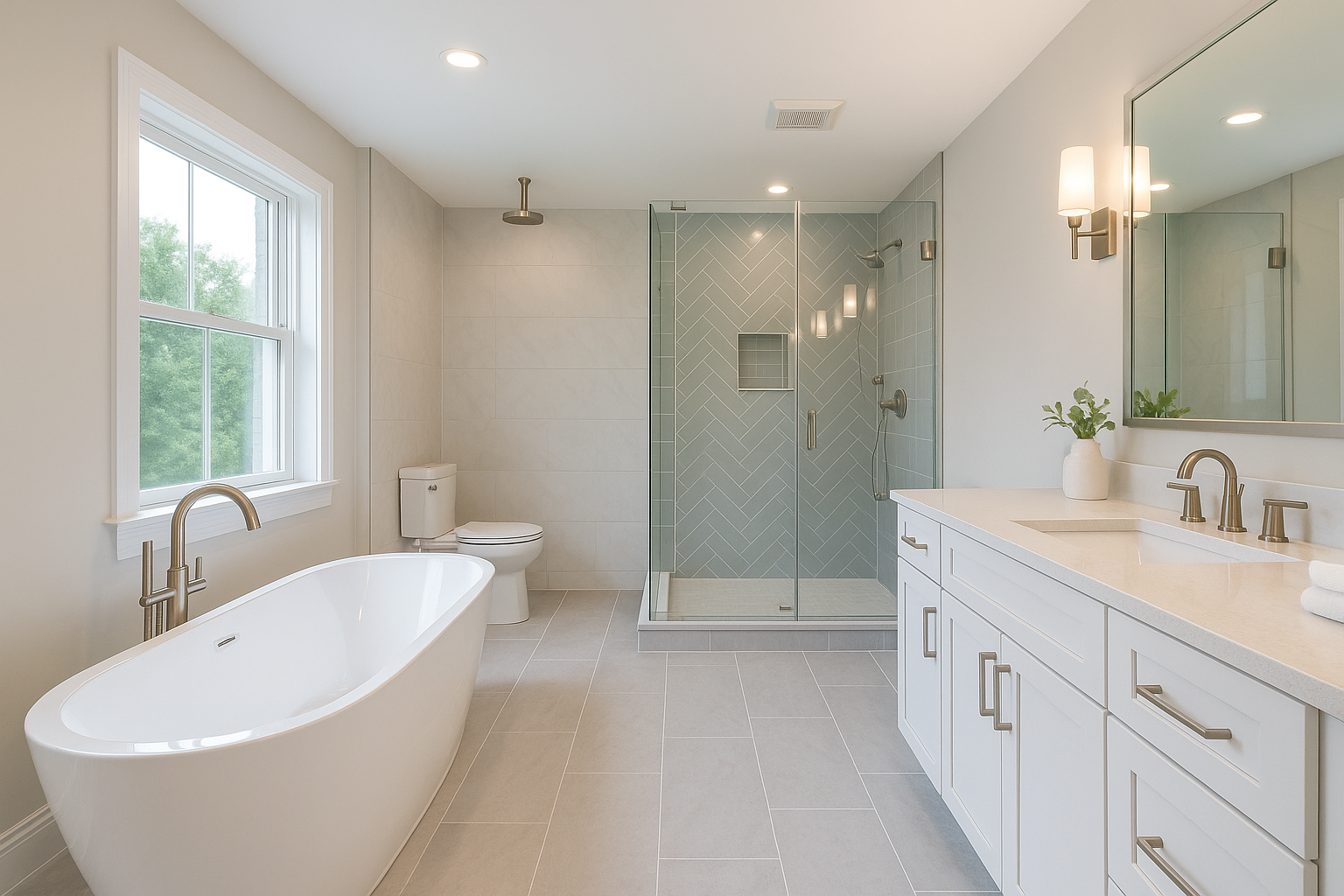
A master bathroom remodel is one of the most rewarding home improvement projects you can take on. It can turn a dated, cramped, or inefficient space into a calm retreat that better fits your daily routine. Whether you want a spa-like escape, more storage, improved lighting, or a layout that simply works better, a thoughtful remodel can add comfort and long-term value to your home.
The best results come from careful planning. Before choosing finishes or fixtures, it helps to understand your goals, budget, and the features that matter most. A successful master bathroom remodel balances style with function so the room looks beautiful and works well every day.
Why Remodel Your Master Bathroom?
There are many reasons homeowners decide to update a master bathroom. Some need more storage or a better shower. Others want to replace worn materials, improve energy efficiency, or create a more luxurious feel. In many homes, the master bath is used every day, so even small improvements can make a noticeable difference in comfort and convenience.
A remodel can also solve common frustrations such as poor lighting, limited counter space, outdated tile, or a layout that feels awkward. If you plan to stay in your home for years, a well-designed bathroom can improve your daily routine. If resale is a concern, an updated master bath is also attractive to future buyers.
Start with a Clear Plan
Before making design decisions, define the purpose of your remodel. Ask yourself what is not working in the current space and what you want the new bathroom to accomplish. Do you need a larger shower, a double vanity, a soaking tub, or better organization? Your answers will help shape the layout, budget, and material choices.
It is also smart to think about how the room will be used over time. If you expect to age in place, a curbless shower, wider walkways, and good lighting may be worth including. If your household is busy, durable finishes and easy-to-clean surfaces may matter more than decorative details.
Set a Realistic Budget
Bathroom remodel costs can vary widely depending on size, materials, labor, and the amount of structural work involved. A simple refresh may cost far less than a full redesign with plumbing changes. To avoid surprises, build your budget around the major categories: demolition, plumbing, electrical, flooring, tile, cabinetry, fixtures, lighting, and labor.
It is wise to include a contingency fund for unexpected issues. Once walls or flooring are opened up, contractors may uncover water damage, outdated wiring, or other problems that need attention. Setting aside extra money can help keep the project on track.
Design for Both Style and Function
The most successful master bathroom remodels feel cohesive and practical. A beautiful bathroom should also be easy to use. Layout decisions should support the way you move through the room each day. For example, the vanity should have enough counter space, the shower should be roomy enough to feel comfortable, and storage should be placed where it is actually needed.
Choose a style that fits the rest of your home but still feels fresh. Popular design directions include modern, transitional, spa-inspired, and classic timeless looks. Neutral finishes often create a clean, relaxing feel, while natural wood, matte fixtures, and textured tile can add warmth and character.
Choose the Right Layout
If your current layout is inefficient, changing it may be one of the most impactful parts of the project. Moving plumbing can increase costs, but it may be worth it if the result creates a better flow. Common improvements include enlarging the shower, separating the toilet area, adding a linen cabinet, or making room for a double vanity.
In smaller master bathrooms, even small layout adjustments can make the room feel bigger. Replacing a bulky tub with a larger walk-in shower, using a floating vanity, or installing a larger mirror can all help improve the sense of space.
Key Features to Consider
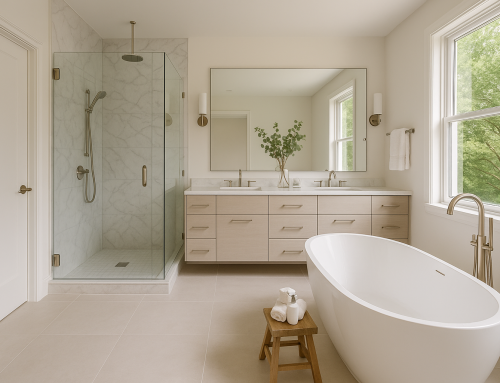
When planning a master bathroom remodel, certain features can make a big difference in both comfort and appearance. A spacious shower with quality tile and a frameless glass enclosure often becomes a focal point. A double vanity is another popular upgrade, especially in shared bathrooms where two people need space at the same time.
Storage is another essential factor. Deep drawers, built-in niches, medicine cabinets, and linen towers can reduce clutter and keep surfaces clear. Good lighting is equally important. A layered lighting plan should include task lighting at the vanity, ambient lighting for the room, and possibly accent lighting for a more polished look.
Heated floors, upgraded ventilation, and water-efficient fixtures can also improve daily comfort. These features may not be the first thing you notice, but they often add long-term value and convenience.
Materials Matter
Because bathrooms are exposed to moisture and frequent use, material choice is critical. Porcelain tile is a popular option for floors and showers because it is durable and low maintenance. Quartz countertops are another favorite because they resist staining and are easier to care for than many natural stones.
For cabinetry, choose finishes that hold up well in humid conditions. Moisture-resistant materials and quality hardware can help your vanity last longer. For a more elevated feel, consider using a mix of materials such as tile, stone, wood, and metal accents to create contrast and depth.
Work with the Right Professionals
While some homeowners take on small updates themselves, a full master bathroom remodel often benefits from professional help. Contractors, designers, plumbers, and electricians can ensure the work is done safely and correctly. This is especially important when a remodel includes plumbing changes, electrical upgrades, or waterproofing.
If you hire a contractor, look for someone with proven bathroom remodeling experience, clear communication, and a detailed estimate. Ask about timelines, permits, product selections, and how changes are handled during the project. A well-organized team can reduce stress and help the job run more smoothly.
Plan for the Disruption
A bathroom remodel can temporarily disrupt your routine, especially if it is your primary bathroom. Preparing in advance can make the process easier. If possible, create a temporary setup for essentials and plan around the busiest stages of construction. Ask your contractor for an estimated timeline and regular progress updates so you know what to expect.
It is also helpful to choose materials before work begins. Delays often happen when key selections are not finalized. Making decisions early can keep the project moving and reduce the chance of costly changes later.
Conclusion
A master bathroom remodel is more than a cosmetic update. It is an opportunity to improve comfort, organization, and the overall feel of your home. With a clear plan, a realistic budget, and the right design choices, you can create a space that looks great and works beautifully for years to come.