
What Residential Remodeling Services Include
Residential remodeling services cover a wide range of home improvement projects designed to update, expand, repair, or completely transform a living space. These services can involve a single room or an entire home, depending on your goals, budget, and timeline. Some homeowners remodel to improve functionality, while others want a fresh look, better energy efficiency, or higher resale value.
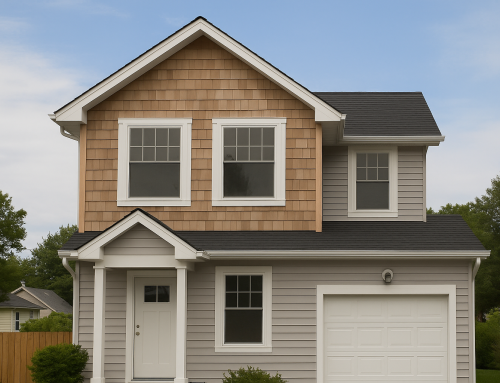
Common residential remodeling projects include kitchen upgrades, bathroom renovations, basement finishing, room additions, flooring replacement, interior layout changes, and exterior improvements such as siding, windows, decks, and roofing. In many cases, remodeling also includes plumbing, electrical, insulation, drywall, painting, and custom finish work. Because every home is different, these services are usually tailored to the property and the homeowner’s needs.
A well-planned remodel does more than improve appearance. It can make a home easier to live in, increase storage, improve traffic flow, and solve issues that have built up over time. Whether you are modernizing an older home or adapting a space for a growing family, professional remodeling services can help turn ideas into a practical plan.
Benefits of Remodeling Your Home
One of the biggest benefits of residential remodeling is the ability to customize your space. Instead of moving to a new home, you can improve the one you already love and make it better suited to your lifestyle. That may mean opening up a cramped kitchen, adding a primary suite, or creating a home office that supports remote work.
Remodeling can also increase comfort and efficiency. New insulation, windows, appliances, lighting, and fixtures can reduce energy use and lower utility bills. Updated layouts and materials can make maintenance easier and daily routines smoother. For families, a remodel can provide more room to gather, work, and relax without feeling crowded.
Another major advantage is potential home value. Popular projects like kitchen and bathroom renovations often appeal to future buyers and can improve marketability. Even if you are not planning to sell soon, investing in quality upgrades can pay off over time by making your home more attractive and functional. In addition, remodeling may help address repair issues before they become more expensive problems later.
Popular Types of Residential Remodeling Projects
Kitchen Remodeling
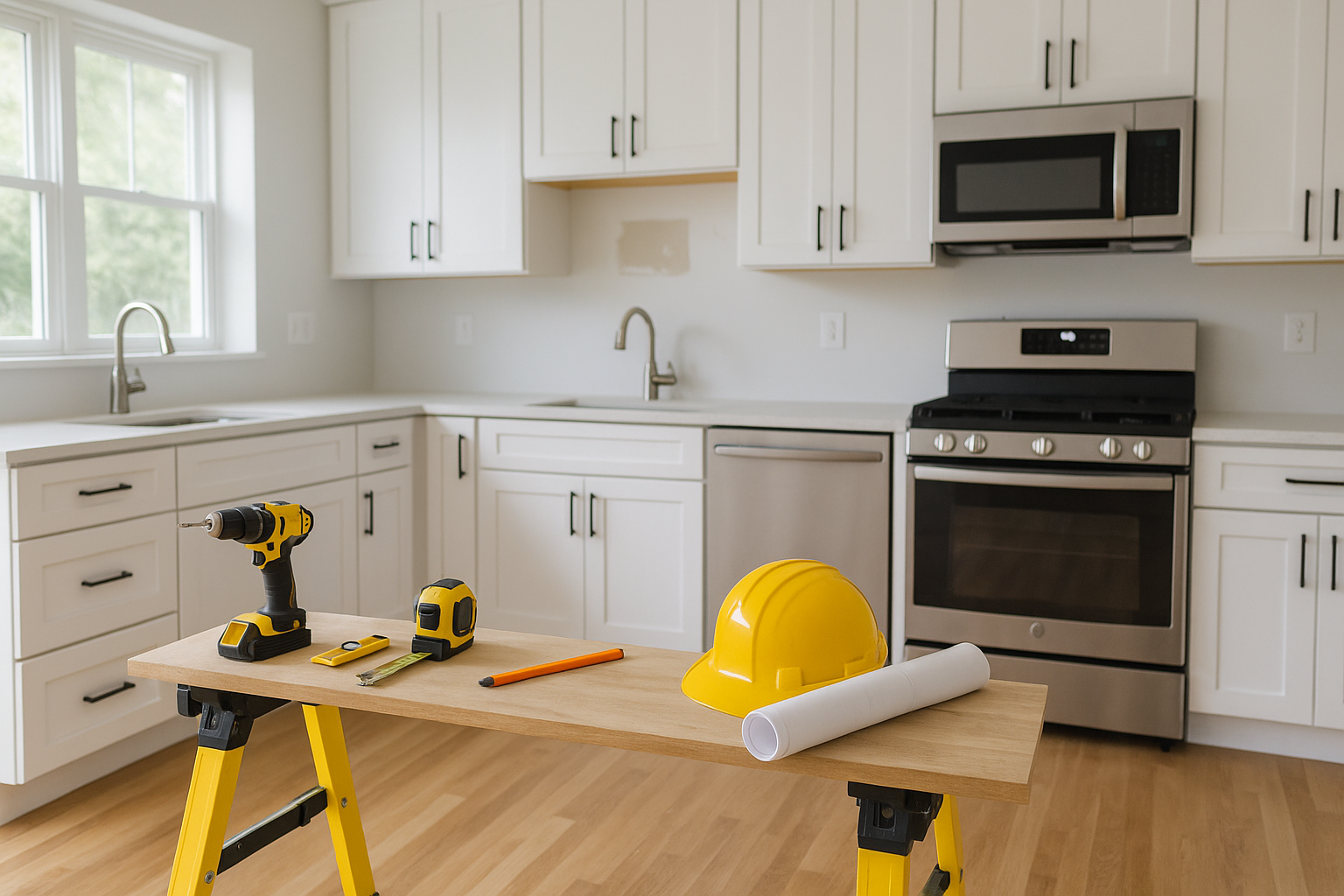
The kitchen is often the heart of the home, making it one of the most common remodeling projects. A kitchen remodel may include new cabinets, countertops, flooring, lighting, appliances, and layout changes. Many homeowners want more counter space, better storage, or an open concept design that connects the kitchen to nearby living areas. A thoughtfully designed kitchen can improve both everyday use and long-term value.
Bathroom Remodeling
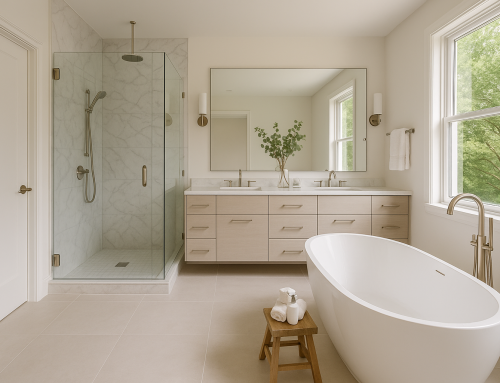
Bathroom remodeling is another popular choice because even a small space can benefit greatly from an update. Projects may involve replacing fixtures, adding a walk-in shower, installing a larger vanity, improving lighting, or changing tile and flooring. For older homes, a bathroom remodel can also improve accessibility and correct outdated plumbing or ventilation issues.
Basement and Attic Renovations
Finishing a basement or attic is a smart way to add usable square footage without building an addition. These spaces can become family rooms, guest suites, offices, fitness areas, or entertainment zones. A remodel in these areas often requires careful attention to moisture control, insulation, lighting, and code compliance, but the payoff can be significant.
Room Additions and Layout Changes
When a home no longer fits your needs, a room addition or major layout change may be the best solution. Common additions include extra bedrooms, expanded kitchens, sunrooms, or larger family areas. Interior layout changes might involve removing walls, reconfiguring rooms, or improving circulation. These projects require more planning and construction, but they can dramatically improve how a home functions.
How to Plan a Successful Remodel
Successful residential remodeling starts with clear goals. Before work begins, think about what you want to change and why. Are you focused on style, storage, comfort, energy efficiency, or resale value? Defining priorities helps guide decisions and keeps the project on track.
Next, set a realistic budget. It is important to account for materials, labor, permits, design services, and a contingency fund for unexpected issues. Older homes especially may reveal hidden concerns such as outdated wiring, water damage, or structural repairs once demolition begins. A flexible budget can reduce stress and help you handle surprises without stopping the project.
Choosing the right contractor is also essential. Look for a remodeling company with strong experience, positive reviews, proper licensing, and clear communication. Ask for references and examples of past work. A reliable contractor should be able to explain the process, provide a detailed estimate, and outline a realistic schedule.
Finally, plan for the disruption that comes with remodeling. Depending on the scope of the job, you may need to adjust your daily routines, protect furniture, or temporarily relocate part of your household. Good planning makes the process much easier and helps everyone stay comfortable while the work is underway.
What to Expect During the Remodeling Process
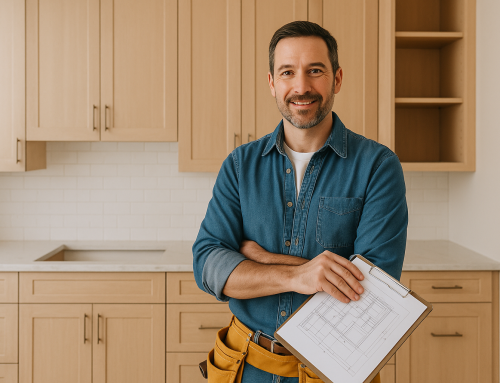
Residential remodeling projects usually follow several stages. The first step is consultation and design, where you discuss goals, measurements, materials, and budget. After that, the contractor may create a detailed scope of work and timeline. If permits are required, those are typically handled before construction begins.
Once work starts, demolition and prep come first. This may involve removing old materials, repairing underlying issues, and preparing the space for new construction. After that, the main build phase begins, which can include framing, plumbing, electrical, drywall, flooring, cabinetry, and finish work. The final stage usually includes painting, cleanup, inspections, and a walk-through to make sure everything meets expectations.
While timelines vary based on project size and complexity, regular communication with your contractor helps keep the remodel moving smoothly. It is normal for some projects to evolve as work progresses, especially if hidden issues are discovered. A good remodeling team will keep you informed and help solve problems efficiently.
Why Professional Remodeling Services Matter
Hiring professionals for residential remodeling services offers several advantages. Experienced contractors understand building codes, permit requirements, material selection, and construction best practices. They can help you avoid costly mistakes and deliver a result that looks great and performs well over time.
Professional remodelers also bring project management skills that are difficult to match with a DIY approach. They coordinate trades, track schedules, manage materials, and ensure each phase is completed in the proper order. This saves time and reduces the risk of delays or quality issues. For larger or more complex remodels, professional guidance is especially valuable.
Most importantly, a trusted remodeling team can turn your ideas into a finished space that feels intentional, durable, and tailored to your home. From design to completion, their expertise can make the entire process more efficient and less overwhelming.
Conclusion
Residential remodeling services give homeowners the opportunity to improve comfort, style, and function without starting over in a new house. Whether you are planning a kitchen update, bathroom renovation, or full-home transformation, the right approach can add lasting value and make your home better suited to your life. With careful planning and professional support, your remodel can become a rewarding investment in the place you call home.