
Patio Door Installation: What Homeowners Should Know Before Getting Started
Patio door installation can transform the look, feel, and function of your home. A well-chosen patio door brings in more natural light, improves access to outdoor living areas, and can even help with energy efficiency when installed correctly. Whether you are replacing an old sliding door or adding a brand-new entry to a deck or backyard, understanding the installation process will help you make smarter decisions and avoid costly mistakes.
Why Patio Door Installation Matters
A patio door does more than connect indoor and outdoor spaces. It plays an important role in your home’s comfort, security, and curb appeal. Poor installation can lead to drafts, water intrusion, sticking doors, and higher utility bills. On the other hand, professional installation creates a tight seal, smooth operation, and a finished look that lasts for years.
Because patio doors are typically large and heavy, installation requires careful measurement, proper framing, and attention to detail. Even a small error can affect how the door opens, closes, and performs over time. That is why planning matters just as much as the door itself.
Choosing the Right Patio Door
Sliding Patio Doors
Sliding patio doors are a popular choice for many homes because they save space and offer a wide view of the outdoors. Since one panel slides behind the other, they are ideal for areas where a swinging door would take up too much room. They are also available in many materials, styles, and glass options.
French Patio Doors
French patio doors swing open and create a classic, elegant appearance. They work well in homes that want a more traditional look or a wider opening to a patio or garden. However, they require more clearance, so they are best suited to spaces with enough room for the door panels to swing freely.
Material and Energy Efficiency
Patio doors come in vinyl, wood, aluminum, fiberglass, and composite materials. Each option has its own benefits in terms of durability, maintenance, and appearance. Energy-efficient glass, insulated frames, and weatherstripping can also make a noticeable difference in comfort and monthly energy costs. If your current door lets in drafts or feels hot in the summer, upgrading during installation may be worth the investment.
What Happens During Patio Door Installation
Measurement and Preparation
The first step is measuring the opening carefully. Installers check the width, height, and depth of the rough opening to make sure the new door will fit properly. They also inspect the surrounding wall, subfloor, and framing for rot, water damage, or structural issues that need to be repaired before the new door goes in.
Removing the Old Door
If you are replacing an existing patio door, the old unit must be removed with care. This includes taking off trim, detaching the frame, and clearing away any damaged materials. Proper removal helps prevent damage to nearby walls and ensures the new door can be installed on a stable surface.
Installing the New Frame and Door
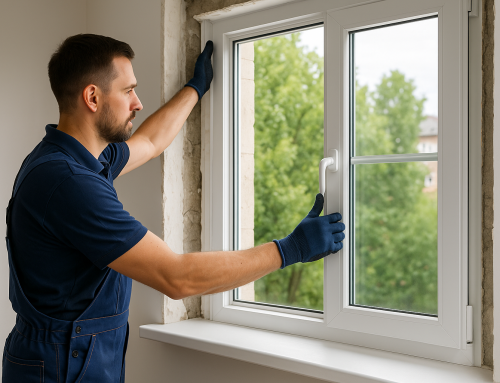
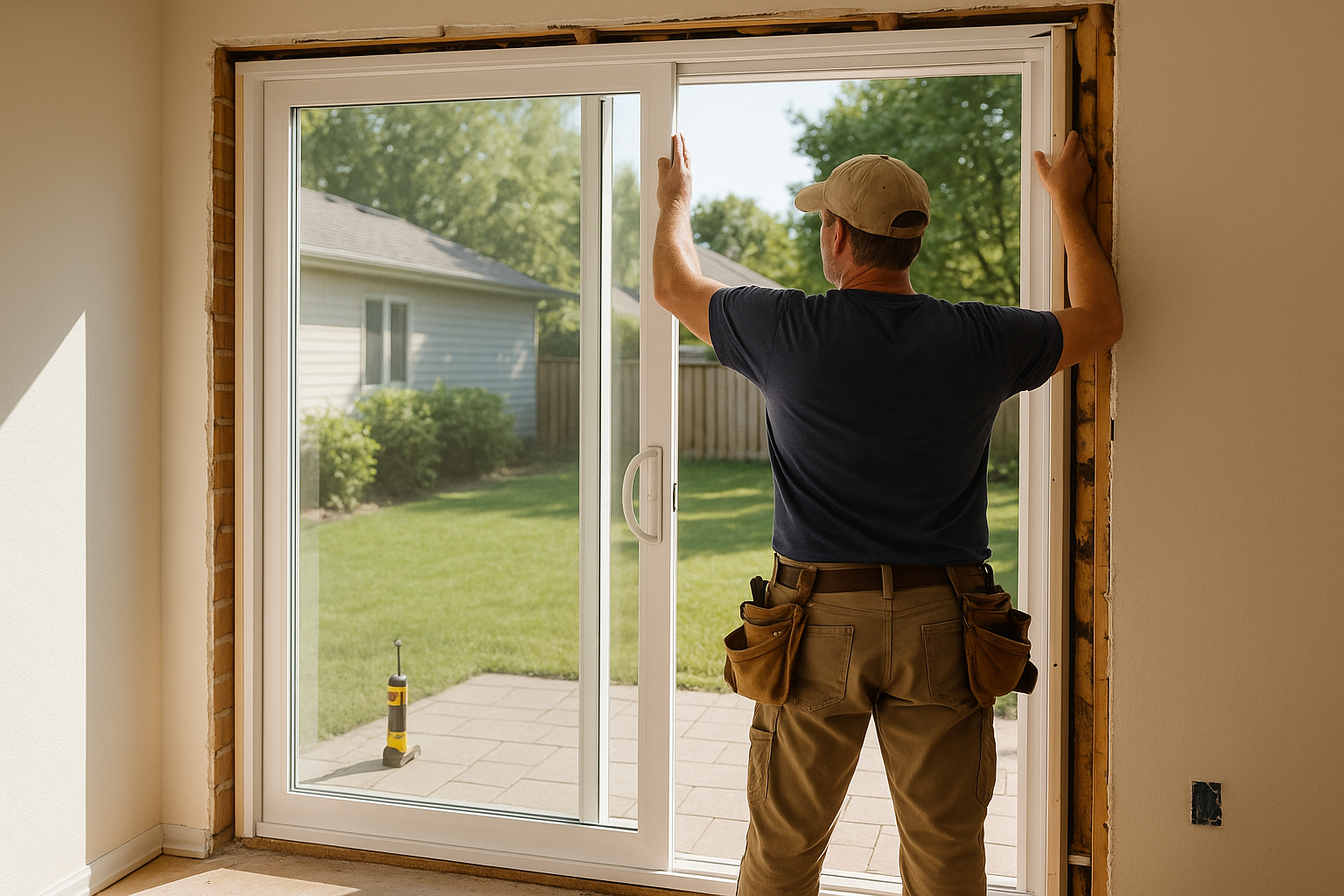
Once the opening is ready, the new frame is set in place, leveled, and secured. Installers use shims to make fine adjustments so the door sits straight and operates smoothly. After that, they fasten the frame, seal gaps, and install flashing or waterproofing materials to keep moisture out. Finally, the door panels are hung, tested, and adjusted for proper alignment.
Finishing Touches
The final stage includes adding trim, caulking seams, and checking locks, handles, and tracks. A good installation should leave the door opening and closing with minimal effort while also looking polished and complete. Cleanup is important too, especially if the old frame or wall needed repairs.
Signs Your Patio Door Needs Replacement
If your current patio door is hard to open, has visible damage, or no longer seals properly, it may be time for a replacement. Common warning signs include condensation between glass panes, warped frames, broken locks, air leaks, and water stains around the opening. In some cases, repairs may solve the issue. But if problems keep returning, full patio door installation may be the better long-term solution.
Benefits of Professional Patio Door Installation
While some homeowners consider patio door installation a DIY project, professional installation often provides better results. Experts have the tools and experience to handle heavy glass, ensure proper leveling, and address hidden issues inside the wall. They also know how to install flashing and insulation correctly, which is critical for protecting your home from moisture and drafts.
Professional installation can also save time and reduce stress. Instead of worrying about whether the door is square or sealed correctly, you can trust that the job is done according to manufacturer guidelines and building best practices.
How to Prepare for Installation Day
Before the installers arrive, clear furniture, rugs, and decorations away from the work area. Make sure there is an easy path from the entryway to the patio door opening. If pets or children will be home, plan for a safe area away from the tools and materials. It is also helpful to confirm the installation schedule, expected timeline, and whether any permits or inspections are needed.
You may also want to think about upgrades such as new blinds, screens, or hardware. Planning these details in advance can help you get the most from your new patio door.
Conclusion
Patio door installation is a valuable home improvement that can boost style, comfort, and function when done right. By choosing the right door, preparing the opening carefully, and working with experienced installers, you can enjoy a smoother process and a better final result. If your current door is outdated or underperforming, a new patio door may be one of the most worthwhile upgrades you can make.