
Cabinet Refinishing: A Smart Way to Refresh Your Kitchen Without a Full Remodel
Cabinet refinishing is one of the most effective ways to transform a kitchen, bathroom, or built-in storage area without the cost and disruption of a full renovation. If your cabinets are structurally sound but look dated, worn, or faded, refinishing can give them a fresh new appearance while preserving the layout you already have. For many homeowners, it offers the ideal balance of style, value, and practicality.
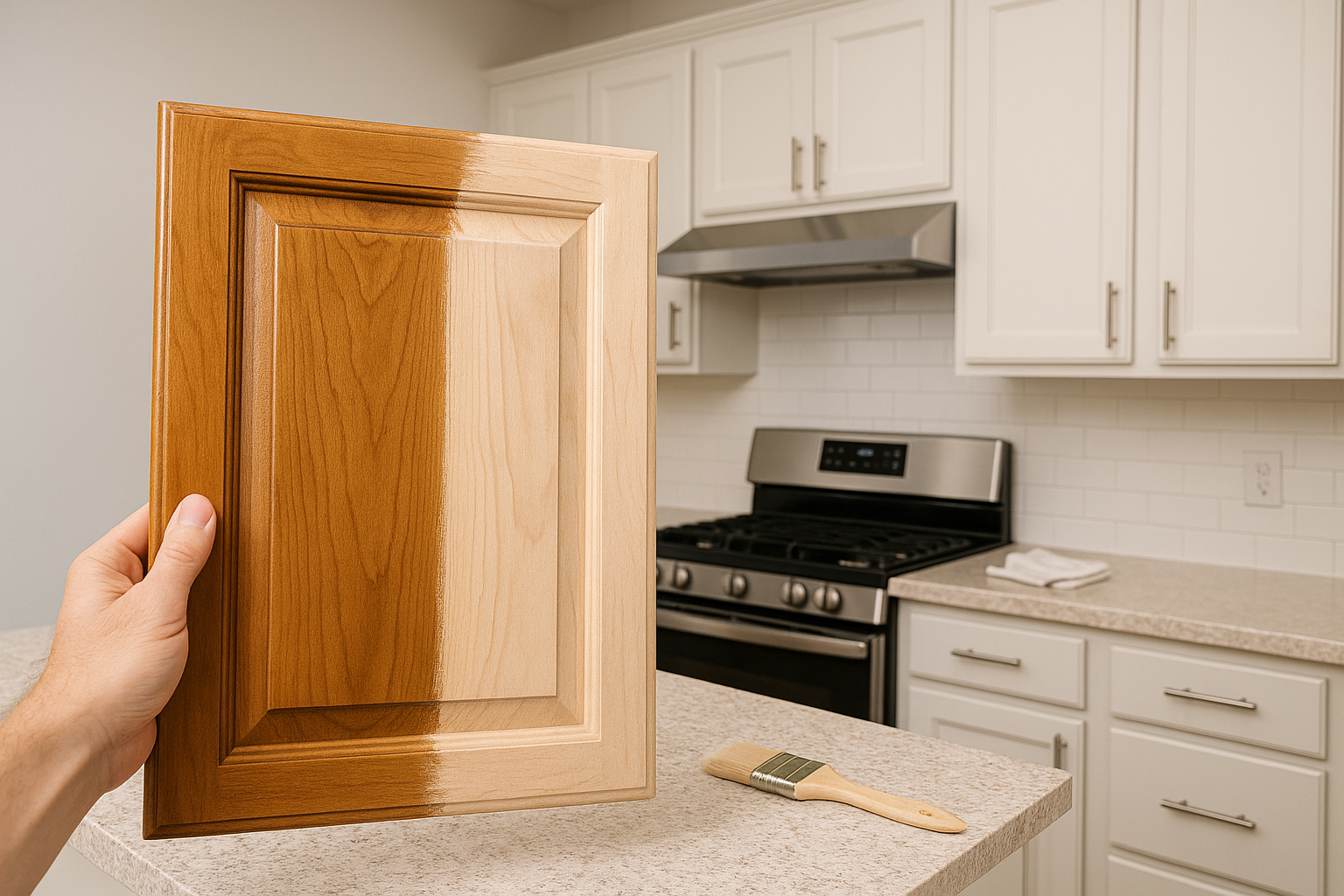
Instead of replacing cabinet boxes and doors, refinishing focuses on improving the existing surfaces. Depending on your goals, the process may include cleaning, sanding, repairing damage, applying new stain or paint, and sealing the finish for long-lasting durability. The result can look dramatic, but the project is often faster and more affordable than a complete cabinet replacement.
What Cabinet Refinishing Involves
Cabinet refinishing is the process of restoring and updating cabinets by renewing their visible surfaces. The exact approach depends on the condition of the cabinets and the look you want to achieve. In many cases, refinishing can mean changing the color completely, bringing out the natural wood grain, or simply improving the existing finish.
The project usually starts with removing cabinet doors, drawers, and hardware. After that, the surfaces are thoroughly cleaned to remove grease, dust, and residue. Any scratches, dents, or minor damage are repaired before sanding begins. Once the surface is properly prepared, the new finish is applied and protected with a durable topcoat.
There are several finishing options available, including:
- Staining to enhance or change the tone of natural wood
- Painting for a clean, updated look
- Glazing to add depth and visual interest
- Clear coating to protect and preserve the original wood appearance
Why Homeowners Choose Cabinet Refinishing
One of the biggest reasons people choose cabinet refinishing is cost. Replacing cabinets can be expensive, especially when you factor in demolition, labor, materials, and possible changes to countertops or flooring. Refinishing offers a more budget-friendly alternative while still creating a noticeable transformation.
Another major advantage is speed. A full cabinet replacement can take weeks and may leave your kitchen unusable for a long time. Refinishing is generally less disruptive and can often be completed more quickly, allowing you to enjoy your updated space sooner.
Cabinet refinishing is also a smart choice for homeowners who want to preserve high-quality cabinetry. Older cabinets are often built from solid wood or durable materials that are worth keeping. If the framework is in good condition, refinishing can extend the life of your cabinets and reduce unnecessary waste.
Other benefits include:
- Improved appearance without changing the layout
- More design flexibility with color and finish options
- Better resale appeal for kitchens and bathrooms
- An environmentally friendly alternative to replacement
When Cabinet Refinishing Is the Right Option
Not every cabinet system is a good candidate for refinishing, but many are. This option works best when the cabinet boxes are solid, the doors are in usable condition, and the existing finish can be removed or covered properly. Cabinets with minor wear, outdated colors, or surface scratches are often ideal for refinishing.
Refinishing may not be the best solution if the cabinets have major water damage, warping, structural issues, or extensive rot. In those cases, replacement may be more practical. It’s also important to consider whether you want to keep the existing door style. If you want a completely different layout or cabinet design, refinishing alone may not achieve that goal.
A professional evaluation can help determine whether refinishing is a suitable option. An experienced contractor will inspect the condition of the cabinets, discuss finish choices, and explain what kind of results you can expect.
The Cabinet Refinishing Process
Although the details may vary from one project to another, the cabinet refinishing process usually follows a few important steps. Preparation is especially important, because the quality of the finish depends heavily on the surface beneath it.
First, the cabinets are cleaned to remove grease and grime. Kitchens in particular tend to collect a thin layer of oil over time, and that residue can interfere with adhesion. Next, the doors and drawers are removed and labeled so they can be reinstalled correctly.
Then comes sanding or stripping, depending on the existing finish. This step creates a clean, smooth surface and helps the new coating bond well. Any dents, scratches, or imperfections are filled and smoothed out. After that, primer may be applied before paint or stain is added.
The final step is sealing the cabinets with a protective topcoat. This helps resist moisture, daily wear, and cleaning products. In high-use areas like kitchens, a durable finish is essential for keeping cabinets looking great over time.
Choosing the Right Finish and Color
The finish you choose can completely change the feel of your space. Light colors can make a kitchen feel larger and brighter, while darker tones create warmth and contrast. White and off-white remain popular for their clean, timeless look, but navy, forest green, and soft gray have become increasingly popular for homeowners who want something more distinctive.
If you prefer the natural beauty of wood, refinishing with stain can highlight grain patterns and add richness to the room. This approach works well in traditional, rustic, and transitional interiors. Painted finishes, on the other hand, are often better for modernizing older cabinets or creating a more polished appearance.
When selecting a color or finish, consider your countertops, flooring, backsplash, and wall color. The best cabinet refinishing results come from a cohesive design plan that complements the rest of the room.
How to Care for Refinished Cabinets
Once your cabinets have been refinished, proper care will help keep them looking beautiful for years. Use a soft cloth and a gentle cleaner for regular cleaning. Avoid harsh abrasives, strong chemicals, and scouring pads, as these can damage the finish.
It’s also a good idea to wipe up spills quickly, especially around sinks, dishwashers, and cooking areas. Excess moisture can wear down finishes over time. If possible, use cabinet hardware such as handles or pulls to reduce direct contact with painted or stained surfaces.
With routine maintenance and careful use, refinished cabinets can provide long-lasting style and performance.
Conclusion
Cabinet refinishing is a practical, attractive, and cost-effective way to update your home. Whether you want a brighter kitchen, a more modern color palette, or a fresh look for well-built cabinets, refinishing can deliver impressive results without the expense of replacement. If your cabinets are in good shape and you’re ready for a change, refinishing may be the perfect solution.