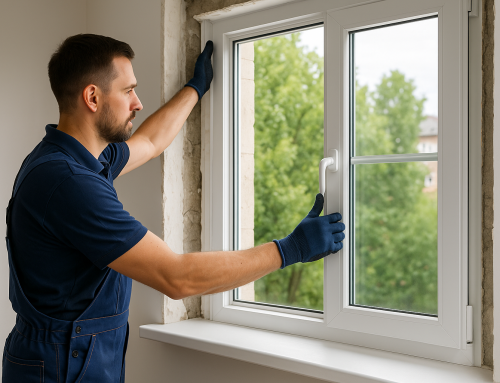


What Is a Home Improvement Contractor?
A home improvement contractor is a professional who plans, manages, and completes renovation or remodeling projects for residential properties. These projects can range from small updates, like replacing flooring or painting rooms, to major work such as kitchen remodels, bathroom renovations, room additions, and exterior upgrades. In many cases, the contractor acts as the main point of contact, coordinating labor, materials, permits, and timelines so the project moves forward smoothly.
Hiring the right contractor can make a major difference in the quality, cost, and stress level of your project. A skilled contractor brings experience, organization, and problem-solving ability, helping homeowners turn their ideas into practical, lasting improvements.
What Services Do They Provide?
Home improvement contractors often handle a wide variety of services. Their role may include initial planning, estimates, scheduling, demolition, construction, and final cleanup. Depending on the project, they may work directly with subcontractors such as electricians, plumbers, roofers, painters, and carpenters.
Common Home Improvement Projects
- Kitchen remodeling
- Bathroom remodeling
- Basement finishing
- Room additions
- Flooring installation
- Drywall repair and painting
- Window and door replacement
- Decks, patios, and outdoor living spaces
- Roofing and siding updates
- Accessibility modifications
Some contractors specialize in a specific type of work, while others offer broader renovation services. If your project involves several trades, a general home improvement contractor can simplify the process by coordinating everything for you.
Why Hiring the Right Contractor Matters
Choosing a home improvement contractor is about more than finding the lowest bid. The right professional helps protect your budget, your timeline, and your home. Poor workmanship or weak communication can lead to delays, unexpected expenses, and results that need to be fixed later.
A reliable contractor should provide clear expectations from the start. That includes a written scope of work, realistic estimates, a project schedule, and information about materials and warranties. Good contractors also understand local building codes and permit requirements, reducing the risk of costly mistakes.
Perhaps most importantly, a trusted contractor gives you peace of mind. Renovation projects can be disruptive, but the right team makes the experience more manageable and far less stressful.
How to Choose the Best Home Improvement Contractor
Finding the best contractor takes a little research, but the effort is worth it. Start by asking friends, neighbors, or family members for recommendations. Online reviews can also be helpful, especially when you look for patterns in customer feedback rather than relying on a single review.
Check Licensing and Insurance
Before hiring anyone, confirm that the contractor is properly licensed in your area, if licensing is required. They should also carry liability insurance and workers’ compensation coverage. These protections help reduce your risk if an accident or property damage occurs during the project.
Review Experience and Past Work
Ask how long the contractor has been in business and whether they have completed similar projects. A contractor with experience in kitchen remodels may be a better fit for that job than someone who mainly handles exterior work. Photos, references, and portfolio examples can give you a better sense of their style and quality.
Get Multiple Written Estimates
It is smart to compare at least three written estimates. A detailed estimate should explain labor, materials, project phases, and any allowances or potential extras. Be cautious of bids that are unusually low, because they may leave out important costs or signal inexperience.
Ask the Right Questions
- Who will manage the project day to day?
- Will subcontractors be used, and if so, who are they?
- How long will the project take?
- What happens if there are delays or change orders?
- How will communication be handled?
- What warranty or guarantee is provided?
Clear answers to these questions can help you avoid surprises later.
Red Flags to Watch Out For
Not every contractor is a good fit, and some warning signs should prompt extra caution. Be wary of anyone who pressures you to sign immediately, demands a large upfront payment, avoids written agreements, or is unwilling to provide references. A lack of communication, vague pricing, or no proof of insurance are also important red flags.
Trust your instincts during the interview process. A professional contractor should be transparent, organized, and willing to explain the work in plain language. If something feels off, it is better to keep looking than to rush into a contract.
What to Expect During the Project
Once you hire a home improvement contractor, the process usually begins with planning and preparation. This may include finalizing design details, ordering materials, and securing permits. During construction, you should expect regular updates, some noise and dust, and occasional adjustments if unexpected issues are discovered.
Changes can happen, especially in older homes where hidden problems may appear after demolition starts. A good contractor will communicate these issues quickly and explain your options before proceeding. Toward the end of the project, there should be a final walkthrough to review the completed work and address any remaining punch-list items.
How to Build a Good Working Relationship
Successful renovation projects depend on clear communication and mutual respect. Be specific about your goals, budget, and priorities before work begins. Keep records of contracts, payments, and change orders, and respond promptly when your contractor needs decisions or approvals.
It also helps to be realistic. Even well-managed home improvement projects can face minor delays due to weather, shipping issues, or unexpected structural problems. A patient, cooperative approach usually leads to a better experience and a better result.
Conclusion
Hiring a home improvement contractor is one of the most important steps in any renovation project. The right professional can help you save time, avoid costly mistakes, and achieve results that improve both comfort and home value. By checking credentials, comparing estimates, and asking the right questions, you can choose a contractor you trust and move forward with confidence.