
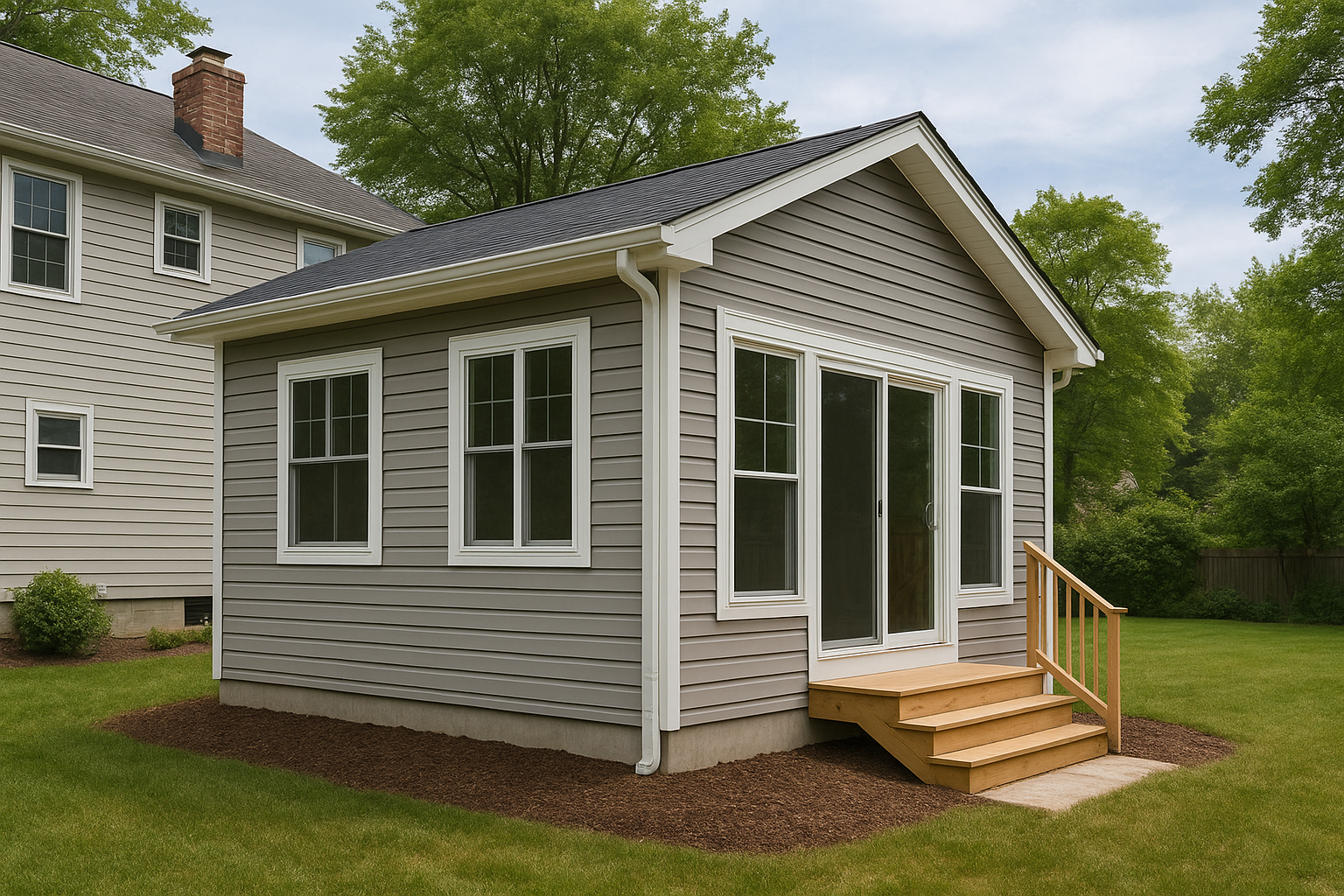
Custom room additions are one of the most effective ways to make a home work better for your lifestyle without giving up the neighborhood, layout, or character you already love. Whether you need a larger kitchen, a new primary suite, a home office, or an extra family room, a well-planned addition can transform the way your home feels and functions. The key is designing an addition that blends seamlessly with your existing structure while adding real value and everyday convenience.
Why Homeowners Choose Custom Room Additions
As families grow and needs change, many homeowners realize their current space no longer fits their routine. Moving may seem like the easiest answer, but it often comes with higher costs, stress, and compromises. A custom room addition lets you create the space you need while staying in a home and community you already enjoy.
Some of the most common reasons people invest in room additions include:
- Creating more space for a growing family
- Adding a private guest suite or in-law suite
- Designing a dedicated office or hobby room
- Expanding living areas for entertaining
- Improving comfort and functionality in an older home
Beyond convenience, additions can also improve long-term property value when they are thoughtfully designed and professionally built.
Popular Types of Room Additions
Custom additions can be tailored to just about any need. The best option depends on your goals, available lot space, and existing home layout.
Primary Suite Additions
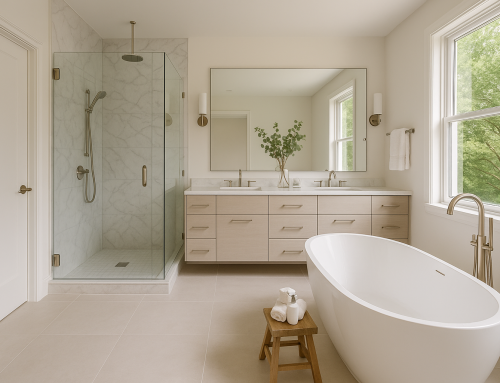
A primary suite addition is ideal for homeowners who want a more comfortable, private retreat. These additions often include a bedroom, walk-in closet, and bathroom with upgraded features. They can make an older home feel more luxurious and functional.
Family Room or Living Room Expansions
If your current common area feels cramped, expanding the living room or adding a family room can completely change how your home is used. These spaces are perfect for relaxing, hosting guests, or creating an open-concept feel.
Kitchen Additions
Kitchens are often the heart of the home, and a kitchen addition can provide space for a larger cooking area, island, pantry, or breakfast nook. This type of project can dramatically improve flow and usability.
Home Office Additions
With more people working from home than ever, a dedicated office has become a high-priority addition. A well-designed workspace helps reduce distractions and improve productivity while keeping work life separate from the rest of the house.
Guest Suites and In-Law Suites
These additions are great for multi-generational living or hosting overnight guests. A guest suite may include a bedroom and bathroom, while an in-law suite may also feature a sitting area or small kitchenette for added independence.
Planning the Right Addition for Your Home
Successful room additions start with careful planning. Before construction begins, it is important to think through how the space will connect to the rest of the home and how it will be used day to day. A good addition should feel like a natural extension of your home, not an afterthought.
Key planning considerations include:
- Your main goals for the new space
- How the addition will affect traffic flow
- Matching the architectural style of the existing home
- Budget and timeline expectations
- Local zoning rules and permit requirements
It is also wise to consider future needs. A room that serves one purpose today may need to adapt later, so flexible design choices can be a smart investment.
Design Features That Make a Difference
The best custom room additions do more than add square footage. They improve the overall experience of living in the home. Small design details can have a big impact on comfort, appearance, and practicality.
Features to consider include natural light, built-in storage, energy-efficient windows, upgraded insulation, and flooring that matches or complements the rest of the home. Thoughtful lighting design is also important, especially if the new room will be used for work, relaxation, or entertaining. In many cases, adding larger windows or even a skylight can help the new space feel open and inviting.
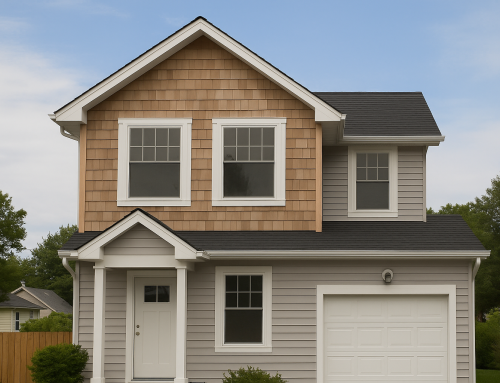
Connecting the addition to your existing home is just as important as the room itself. Doorways, trim, rooflines, and exterior finishes should all be coordinated so the addition looks intentional and cohesive.
What to Expect During the Construction Process
Every addition project is different, but most follow a similar process. It usually begins with a consultation and design phase, where goals, measurements, and budget are reviewed. From there, plans are developed, permits are secured, and construction can begin.
Depending on the size and complexity of the project, the process may include site preparation, foundation work, framing, electrical and plumbing installation, insulation, drywall, flooring, and final finishes. Homeowners should expect some disruption during construction, especially if the project connects to occupied living areas. A clear timeline and regular communication can help make the experience much smoother.
Working with an experienced contractor is essential. A skilled team can help coordinate design, manage permits, and handle the details that keep the project on schedule and within budget.
How Room Additions Add Long-Term Value
One of the biggest advantages of a custom room addition is the long-term value it can provide. More usable space often makes a home more attractive to future buyers, especially when the addition is practical and well built. Even if resale is not your immediate goal, increasing your home’s square footage and improving its functionality can make everyday life more enjoyable for years to come.
That said, not every addition adds value in the same way. Projects that solve real space problems and match the style of the home tend to deliver the strongest return. A thoughtfully designed addition that improves comfort, flow, and usability is usually a worthwhile investment.
Conclusion
Custom room additions offer a flexible, rewarding way to adapt your home to your changing needs. With the right design, planning, and contractor, you can create a space that feels seamless, functional, and built specifically for your lifestyle. If your home is starting to feel too small or no longer fits the way you live, a custom addition may be the perfect solution.