
Understanding Cabinet Modifications
Cabinet modifications are updates made to existing cabinets to improve function, appearance, storage, or accessibility without replacing the entire cabinet system. They can be as simple as adding new hardware or as involved as resizing doors, changing shelving, or reworking cabinet interiors. For many homeowners, modifications offer a cost-effective way to make a kitchen, bathroom, laundry room, or office feel more custom and more usable.
Instead of starting from scratch, cabinet modifications let you work with the layout you already have. That means less disruption, less waste, and often a much faster turnaround than a full remodel. Whether your goal is better organization, a more modern look, or improved accessibility, thoughtful cabinet changes can make a big impact.
Benefits of Cabinet Modifications
One of the biggest advantages of cabinet modifications is flexibility. You can target the exact problems you want to solve, such as limited storage, awkward corners, hard-to-reach shelves, or outdated styling. Because the work is tailored to your needs, the results often feel more practical than a one-size-fits-all upgrade.
Cabinet modifications can also be more budget-friendly than replacement. Refacing a cabinet or upgrading the interior may deliver a dramatic transformation for a fraction of the cost of installing all-new cabinetry. In addition, keeping existing cabinet boxes in place can reduce demolition, labor, and material expenses.
Another major benefit is sustainability. Reusing solid cabinet structures reduces landfill waste and limits the demand for new materials. For homeowners who want an eco-conscious remodel, modifications are an attractive option. They also tend to be less disruptive, which matters if you are trying to keep a kitchen or bath functional during the project.
Popular Types of Cabinet Modifications
Refacing and Repainting
If your cabinets are structurally sound but look dated, refacing or repainting can provide a major visual update. Refacing replaces the cabinet doors and drawer fronts while keeping the existing cabinet boxes. Repainting, on the other hand, refreshes the current surfaces with a new color and finish. Both options can dramatically improve the style of the room.
Adjusting Shelving and Storage
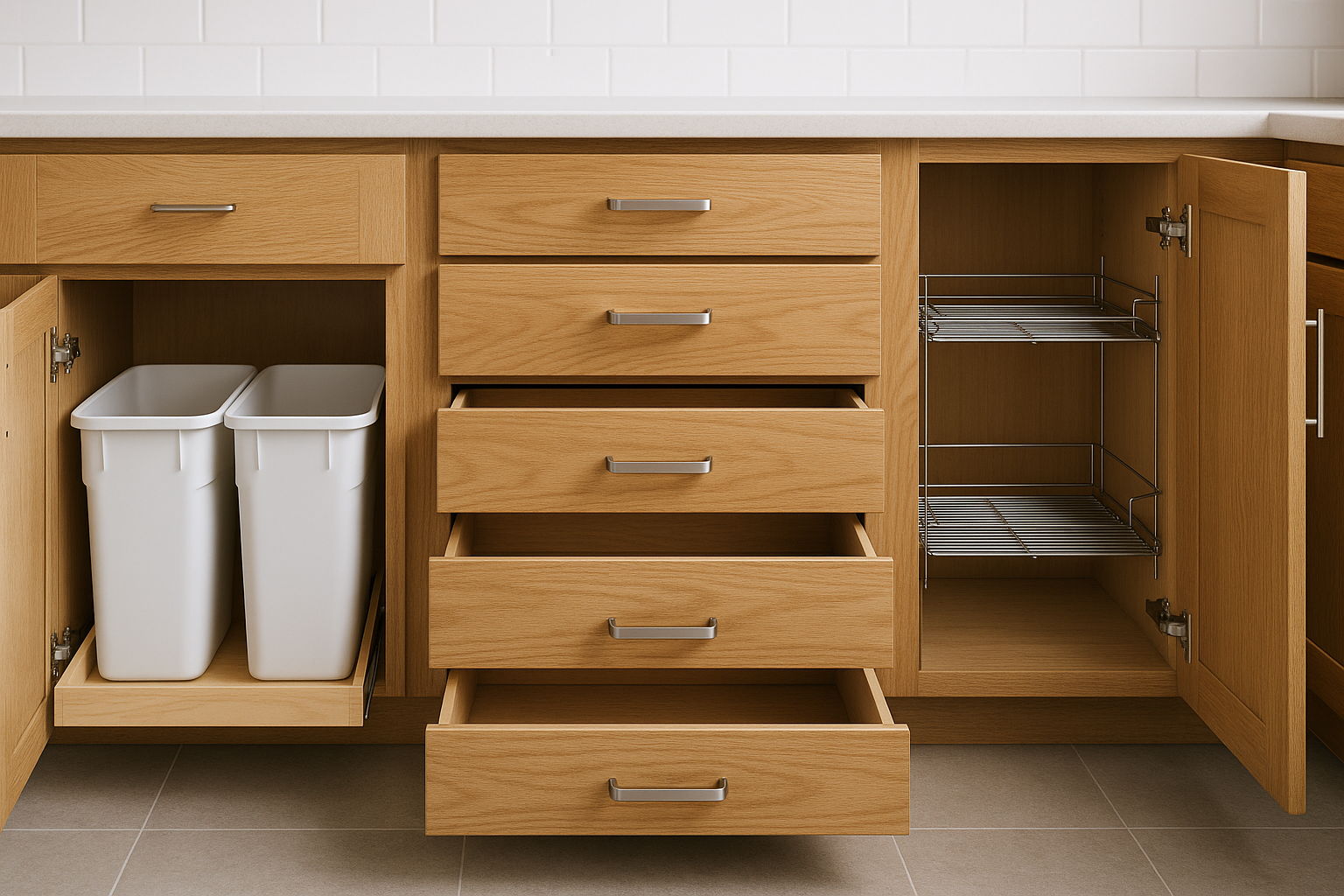
Many cabinet modifications focus on storage improvements. Adjustable shelves, pull-out trays, drawer dividers, spice inserts, and lazy Susans can make cabinets far more efficient. Deep base cabinets often benefit from pull-out organizers that bring items into view, while upper cabinets may be reconfigured for better access to dishes, glassware, or pantry goods.
Adding Accessibility Features
Cabinet modifications can make a space easier and safer to use for people of all ages and mobility levels. Soft-close hinges, lower countertop heights, pull-down shelving, and wider drawer openings can make daily tasks more comfortable. In bathrooms and kitchens, accessibility upgrades are especially valuable for aging in place or supporting family members with physical limitations.
Changing Doors, Hardware, and Trim
Sometimes the smallest modifications make the biggest difference. New cabinet doors, updated handles or knobs, crown molding, glass inserts, and decorative trim can change the entire feel of a room. These details can help traditional cabinets look more elegant or give older cabinetry a more modern profile.
Reworking Cabinet Layouts
In some homes, cabinet modifications go beyond cosmetic improvements. A contractor or cabinet professional may be able to remove a section of cabinetry, widen openings, raise or lower shelves, or modify the footprint to improve flow. This is especially helpful in older homes where original layouts do not match current lifestyle needs.
When Cabinet Modifications Make Sense
Cabinet modifications are a smart choice when the cabinet boxes are still in good condition but the design no longer works. If drawers stick, shelves are poorly spaced, or the finish is worn out, updating the cabinets can be more practical than replacing them. They are also a strong option if you want to improve resale appeal without committing to a full remodel.
They make the most sense when your goals are focused and specific. For example, you may want more pantry storage, easier access to everyday cookware, or a cleaner, more modern look. In those situations, modifications can solve the problem directly without unnecessary expense.
However, if cabinets are warped, water-damaged, or structurally unstable, replacement may be the better long-term choice. A professional assessment can help determine whether the existing cabinetry is worth modifying.
Planning a Cabinet Modification Project
Good planning is essential for a successful cabinet upgrade. Start by identifying the biggest pain points in your current setup. Is storage too limited? Are certain items hard to reach? Does the style feel outdated? Once you know what you want to improve, it becomes easier to choose the right modifications.
Next, think about how the cabinets are used every day. A family kitchen may need durable finishes and more storage zones, while a bathroom cabinet may benefit from better humidity resistance and compact organization. Measuring carefully is also important, especially if you are adding inserts, shelves, or new door fronts.
It is wise to establish a budget before starting. Some cabinet modifications are simple DIY projects, but others require precise carpentry, finishing, or installation work. Understanding the complexity of the project helps avoid surprise costs and ensures the final result meets your expectations.
Working with a Professional
While some cabinet modifications are manageable for experienced homeowners, a professional can be valuable for projects that involve structural changes, custom fitments, or high-end finishes. A cabinet specialist can recommend solutions that maximize space, match existing materials, and improve overall durability.
Professionals also help ensure that doors align properly, hardware is installed securely, and new components integrate smoothly with the old cabinetry. This level of precision is especially important if you are modifying kitchen cabinets, where functionality and appearance both matter.
If your project includes electrical, plumbing, or layout changes, hiring a qualified contractor is the safest route. Working with the right expert can save time and help you avoid costly mistakes.
Conclusion
Cabinet modifications offer a practical way to improve storage, style, and usability without the cost and disruption of full replacement. From simple updates like hardware and paint to more involved changes like layout adjustments and accessibility features, these projects can transform the way a room looks and works. With careful planning and the right approach, cabinet modifications can deliver long-lasting value and a more enjoyable space.