
Introduction
Residential window replacement is one of the most effective ways to improve a home’s comfort, efficiency, and appearance. Whether your current windows are drafty, difficult to open, or simply outdated, replacing them can make a noticeable difference in daily living and long-term value. New windows can help reduce energy costs, boost curb appeal, and create a quieter, more comfortable indoor environment.
Homeowners often delay window replacement because it feels like a big project, but understanding the process makes it much easier to plan. From spotting the signs of worn-out windows to choosing the right materials and installation method, a little knowledge goes a long way. This guide covers the key things every homeowner should know before starting a residential window replacement project.
Signs It’s Time to Replace Your Windows
Not every window problem means you need a full replacement, but certain warning signs suggest it may be time to upgrade. One of the most common signs is a draft. If you feel air coming through closed windows, the seals or frames may have failed. Condensation between panes is another clue that the insulated glass unit is no longer performing properly.
Difficulty opening, closing, or locking windows can also point to structural wear. In many older homes, wood frames may rot, metal frames may corrode, or vinyl frames may warp after years of exposure. You may also notice fading furniture or flooring near windows, which can happen when old glass provides poor UV protection. If your energy bills are climbing and your windows are more than 15 to 20 years old, replacement may be a smart investment.
Benefits of Residential Window Replacement
Energy Efficiency
One of the biggest advantages of new windows is improved energy performance. Modern windows are designed with better insulation, low-emissivity coatings, and advanced sealing technology that help keep indoor temperatures stable. This means your heating and cooling system does not have to work as hard, which can lead to lower utility bills over time.
Improved Comfort
Old windows often allow drafts and hot or cold spots to develop near walls and seating areas. Replacement windows can make the home feel more comfortable throughout the year by reducing temperature swings and limiting outside air infiltration. Many homeowners also appreciate the added benefit of noise reduction, especially if they live near busy roads or in active neighborhoods.
Better Curb Appeal and Home Value
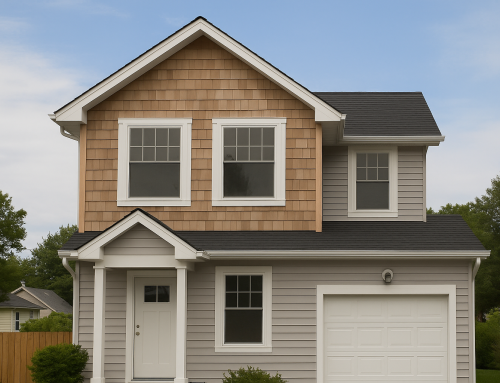
Windows play a major role in the look of a home. New window styles, clean trim, and updated finishes can instantly refresh the exterior. Inside, replacement windows can make rooms feel brighter and more polished. Because buyers often notice windows right away, updated windows can also add value when it is time to sell.
Types of Replacement Windows
Choosing the right window style depends on your home’s architecture, ventilation needs, and budget. Common options include double-hung windows, which are popular for their classic look and easy cleaning. Casement windows open outward with a crank and are known for excellent ventilation and a tight seal when closed.
Sliding windows are a practical choice for wider openings and modern homes, while bay and bow windows can add dimension and more natural light. Picture windows are fixed in place and ideal when the goal is to maximize views and daylight. Homeowners should also consider frame materials such as vinyl, wood, fiberglass, and aluminum, each with its own strengths in terms of appearance, maintenance, and durability.
What to Expect During the Replacement Process
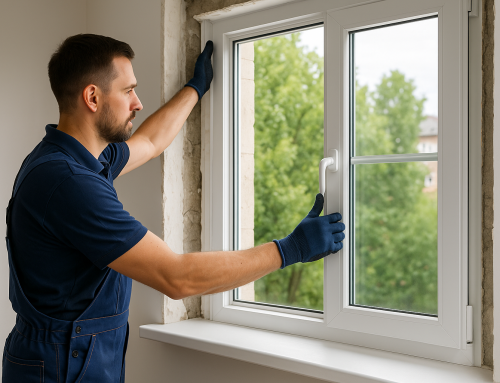
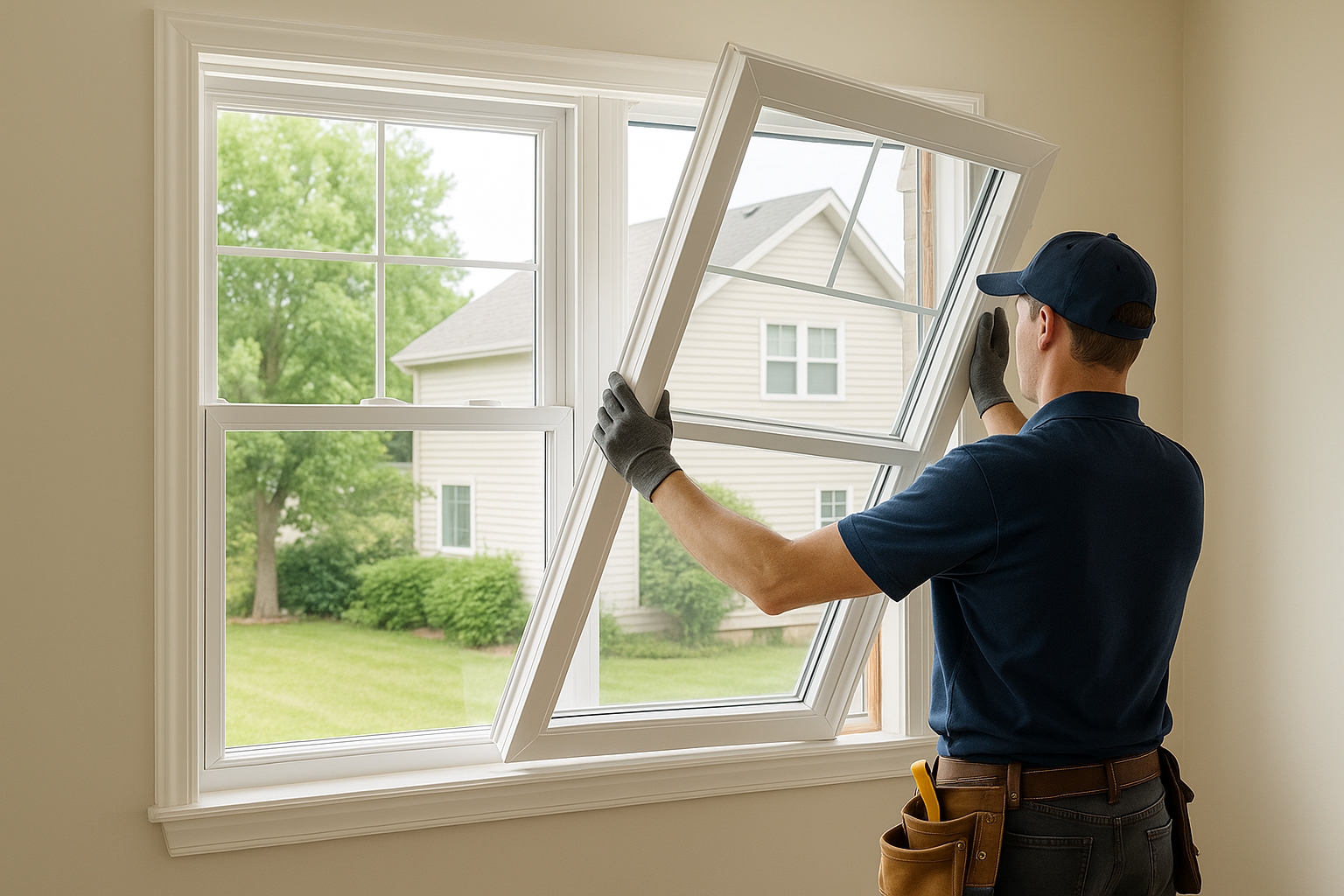
Residential window replacement typically begins with an inspection and measurement of the existing openings. A professional will assess the condition of the frames, trim, and surrounding structure to determine whether a pocket replacement or full-frame replacement is needed. Pocket replacements fit into the existing frame, while full-frame replacements remove the old window entirely and replace the surrounding materials as well.
Once the windows are ordered, installation usually takes place over one or more days depending on the number of windows and the complexity of the job. Installers remove the old units, prepare the openings, set the new windows, insulate gaps, and seal everything to protect against air and water intrusion. Good installation is just as important as the window itself, since even high-quality windows can underperform if installed poorly.
How to Choose the Right Windows for Your Home
The best replacement windows balance performance, style, and cost. Start by thinking about your priorities. If energy savings are most important, look for windows with strong insulation ratings, double or triple panes, and energy-efficient coatings. If low maintenance matters most, vinyl or fiberglass may be appealing because they require less upkeep than traditional wood.
It is also important to consider your climate. Homes in hotter regions may benefit from glass designed to reduce solar heat gain, while homes in colder areas may need windows with stronger insulation values. Aesthetic fit matters too. Windows should complement the design of the home rather than look out of place. A reputable contractor can help you compare options and find the best match for your goals and budget.
Budgeting and Planning Tips
Window replacement costs can vary widely based on window size, material, style, and installation complexity. To build a realistic budget, it helps to request multiple quotes and compare not just price, but also product quality, warranty coverage, and installation experience. The cheapest option is not always the best value if it does not last or perform well.
Planning ahead can also save time and stress. If several windows need replacement, homeowners may choose to complete the project in phases. Others may prioritize the most damaged or inefficient windows first. Be sure to ask about warranty terms, maintenance requirements, and expected timelines before signing a contract. Clear communication upfront helps prevent surprises later.
Conclusion
Residential window replacement is a practical upgrade that can improve energy efficiency, comfort, and appearance all at once. By recognizing the signs of failing windows and choosing the right products and installer, homeowners can make a confident decision that pays off for years. Whether you are replacing a single damaged window or updating your entire home, the right windows can make a meaningful difference.