
Thinking about adding more space to your home? A skilled home extension contractor can turn that idea into a practical, well-built addition that fits your lifestyle, budget, and property. Whether you want a larger kitchen, an extra bedroom, a home office, or a new living area, the right contractor can guide the project from planning to final finishes.
What Does a Home Extension Contractor Do?
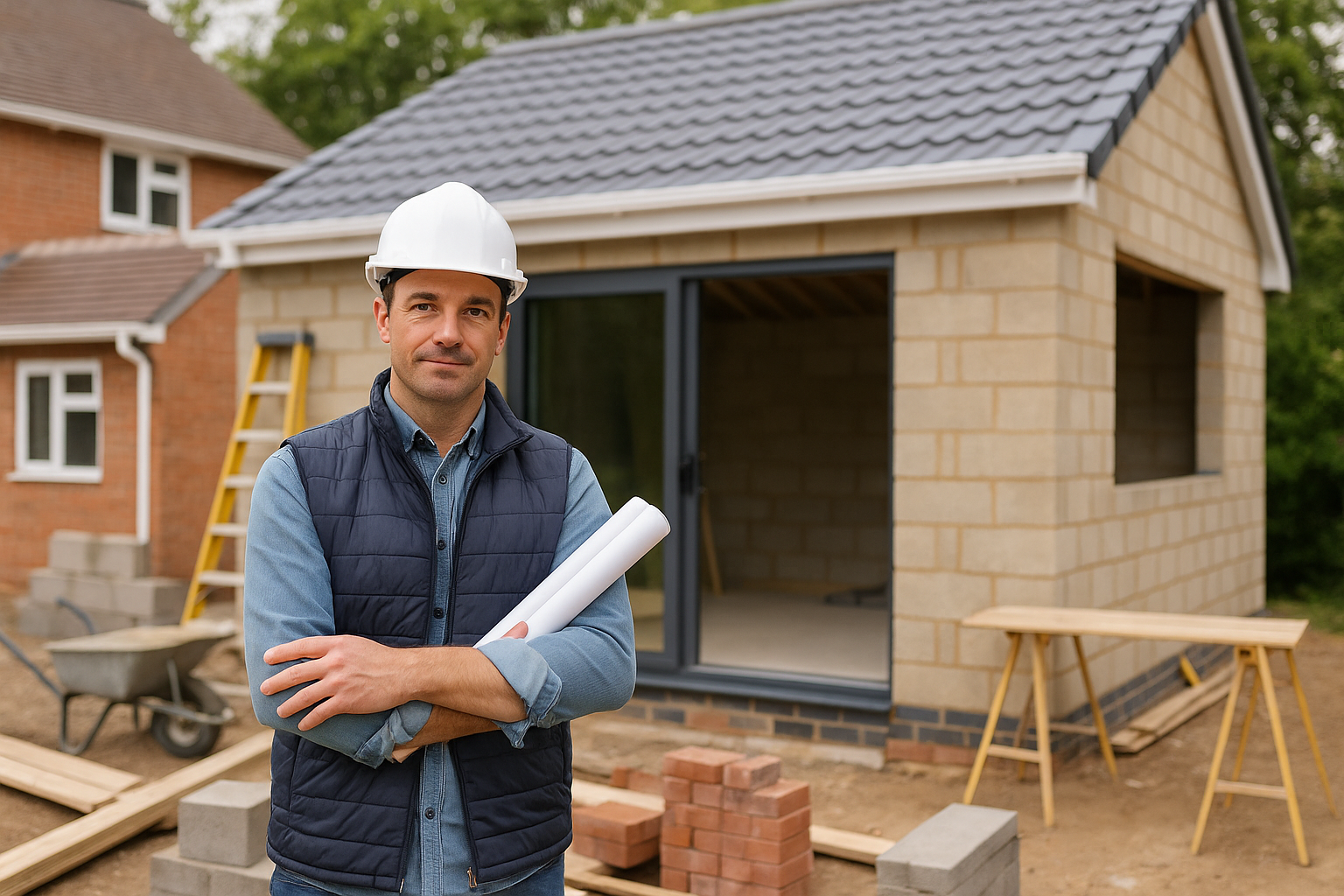
A home extension contractor manages the process of building an addition to your existing home. Their job is more than just construction. They coordinate planning, scheduling, permits, trades, materials, and quality control so the project runs smoothly from start to finish.
In many cases, the contractor acts as the main point of contact. They may work with architects, engineers, designers, electricians, plumbers, and surveyors to make sure the extension is structurally sound, compliant with local regulations, and finished to a high standard.
Key Responsibilities
- Reviewing plans and project goals
- Preparing cost estimates and timelines
- Helping with permits and approvals
- Managing demolition, groundwork, and construction
- Coordinating subcontractors and suppliers
- Ensuring building work meets code and safety standards
- Overseeing inspections and final handover
Why Hire a Professional for Your Home Extension?
Home extensions are complex projects. They involve blending new construction with an existing structure, which means careful planning is essential. Hiring an experienced contractor can save time, reduce stress, and help avoid costly mistakes.
A professional contractor understands how to handle structural challenges, weatherproofing, insulation, drainage, and access issues. They also know how to keep the work moving without unnecessary delays. Most importantly, they can help make sure the finished space looks like a natural part of your home rather than an awkward add-on.
Trying to manage an extension on your own can quickly become overwhelming. A contractor brings organization, expertise, and accountability to the project, which is especially valuable when multiple trades and deadlines are involved.
Types of Home Extensions
There are many ways to extend a home, and the best option depends on your property, budget, and goals. A good home extension contractor can help you decide which style makes the most sense.
Rear Extensions
Rear extensions are built at the back of the property and are often used to enlarge kitchens, dining rooms, or open-plan living areas. They are a popular choice for homeowners who want more space without changing the front appearance of the house.
Side Extensions
Side extensions use space along the side of the home, often on detached or semi-detached properties. They can be ideal for adding utility rooms, garages, or additional family space.
Wraparound Extensions
Wraparound extensions combine rear and side additions to create a larger footprint. These projects can dramatically transform a home, but they usually require more detailed planning and a bigger budget.
Second-Storey Extensions
Adding a second floor or extending upward is a smart solution when outdoor space is limited. This type of extension can create extra bedrooms, bathrooms, or a private office area.
How to Choose the Right Home Extension Contractor
Choosing the right contractor is one of the most important decisions in the entire project. A trustworthy professional should have experience, strong communication skills, and a clear process for managing work.
Check Experience and Relevant Projects
Look for a contractor who has completed similar extensions before. Ask to see photos, case studies, or references from past clients. Experience with projects like yours is a strong sign they can handle the details effectively.
Verify Licensing, Insurance, and Credentials
Always confirm that the contractor carries appropriate insurance and meets local licensing requirements. This protects both you and the property if accidents, damage, or disputes arise.
Ask About Their Process
A reliable contractor should be able to explain how they work. Ask how they handle scheduling, communication, changes, inspections, and unexpected issues. Clear processes are usually a sign of a well-run business.
Compare Detailed Quotes
Do not focus only on the lowest price. Instead, compare what each quote includes. A detailed estimate should break down labor, materials, permits, and any allowances. This makes it easier to spot missing items and avoid surprise costs later.
Read Reviews and Speak to References
Online reviews can offer useful insight, but direct references are even better. Speaking with previous clients can help you learn how the contractor handled communication, delays, cleanliness, and final results.
Questions to Ask Before Hiring
Before signing a contract, ask questions that help you understand the contractor’s experience and approach. A transparent contractor will welcome these discussions.
- How many home extensions have you completed?
- Will you handle permits and inspections?
- Who will manage the site each day?
- How do you handle changes to the plan?
- What is your estimated timeline?
- How do you structure payments?
- Can you provide references from recent clients?
What Affects the Cost of a Home Extension?
The cost of a home extension can vary widely depending on size, complexity, materials, and location. A more elaborate design or difficult site conditions may increase both labor and material expenses.
Common factors that influence cost include the size of the extension, foundation work, roof design, windows and doors, plumbing, electrical upgrades, internal finishes, and planning requirements. If your extension needs structural changes to the existing house, that can also add to the budget.
It is wise to set aside a contingency fund for unexpected issues. During construction, hidden problems such as outdated wiring, poor drainage, or structural weaknesses may be discovered. A realistic budget should account for these possibilities.
Why Good Communication Matters
Successful extension projects depend on strong communication between the homeowner and contractor. You should feel comfortable asking questions and receiving regular updates. Good communication helps prevent misunderstandings, reduces stress, and keeps the project aligned with your expectations.
It is helpful to agree on how progress updates will be shared, who approves changes, and how decisions will be documented. When everyone is clear on the plan, the project is much easier to manage.
Conclusion
A home extension can be one of the best ways to improve comfort, function, and property value. The right home extension contractor will bring the experience, organization, and craftsmanship needed to complete the project successfully. Take time to compare options, ask the right questions, and choose someone who communicates clearly and understands your vision. With the right professional on your side, your extension can become a seamless and rewarding part of your home.