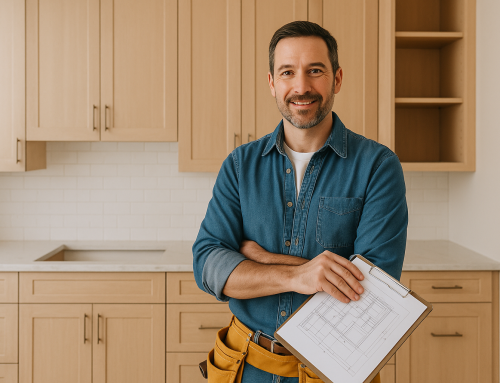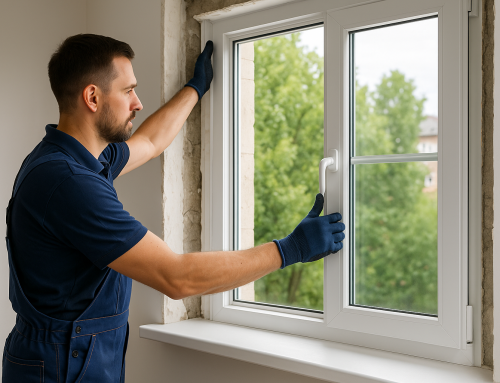


Hiring a home remodeling contractor is one of the most important decisions you can make when improving your home. Whether you’re updating a kitchen, finishing a basement, or planning a full-house renovation, the right contractor can turn your vision into a smooth, successful project. The wrong one can lead to delays, budget overruns, and unnecessary stress.
A skilled home remodeling contractor does more than swing a hammer. They help manage the process from start to finish, coordinate trades, source materials, solve problems, and keep the work aligned with your goals. If you’re preparing for a remodel, knowing what to look for in a contractor can save time, money, and frustration.
What a Home Remodeling Contractor Does
A home remodeling contractor oversees renovation work in residential properties. Depending on the size and scope of the project, they may handle everything from design planning and permitting to demolition, construction, and final cleanup. Some contractors work as general contractors, managing subcontractors such as electricians, plumbers, painters, and flooring specialists.
For smaller projects, a contractor may complete much of the work themselves. For larger remodels, their role is often to coordinate moving parts and ensure each phase is completed correctly and on schedule. In either case, their expertise helps keep the project organized and compliant with local building codes.
Why Hiring the Right Contractor Matters
Choosing the right home remodeling contractor can have a major impact on the quality and success of your project. A dependable contractor provides clear communication, accurate estimates, and workmanship that adds long-term value to your home. They also help reduce the risk of costly mistakes by identifying issues early and offering practical solutions.
Remodeling projects often uncover surprises behind walls, under floors, or in older systems. An experienced contractor knows how to adapt without causing major disruptions. That flexibility is especially valuable when working on older homes or complex renovations.
Common Risks of Hiring the Wrong Contractor
Not every contractor delivers the same level of professionalism. Poor planning, vague contracts, lack of licensing, and weak communication can all create problems. Some homeowners also run into contractors who disappear mid-project or request large payments before work is complete. Careful screening helps you avoid these issues.
How to Find a Reliable Home Remodeling Contractor
Finding the right contractor begins with research. Start by asking friends, family, neighbors, or coworkers for recommendations. Local reviews, neighborhood groups, and trusted trade associations can also help you build a shortlist of candidates.
Once you have a few names, look into each contractor’s background. Check how long they’ve been in business, whether they specialize in the type of remodeling you need, and if they have a strong portfolio of completed projects. Before committing, schedule consultations with at least two or three professionals so you can compare their approach and professionalism.
Questions to Ask During the Interview
During your first meeting, ask questions that reveal both experience and reliability:
- Are you licensed and insured?
- How long have you worked as a remodeling contractor?
- Have you completed projects similar to mine?
- Who will manage the project on-site?
- How do you handle unexpected changes or delays?
- Can you provide references from recent clients?
The answers should be clear, direct, and professional. A good contractor will welcome your questions and answer them confidently.
What to Look for in a Contract
A detailed written contract is essential for any remodeling project. It should clearly define the scope of work, timeline, payment schedule, materials, labor, and warranty terms. The contract should also outline how changes will be approved and priced if the project evolves.
Never rely on a verbal agreement alone. A strong contract protects both you and the contractor by setting expectations upfront. Before signing, make sure you understand every section and ask for clarification on anything that seems vague.
Important Contract Details
Review the following carefully:
- Project start and completion dates
- Detailed scope of work
- Material specifications
- Payment milestones
- Permit responsibilities
- Cleanup and debris removal
- Warranty or guarantee information
If a contractor is unwilling to provide a written contract, that should be a red flag.
Understanding Remodeling Costs
Cost is often one of the biggest concerns when hiring a home remodeling contractor. Pricing can vary widely depending on the size of the project, the materials selected, local labor rates, and the complexity of the work. A bathroom refresh will cost far less than a full kitchen redesign or structural renovation.
When comparing estimates, avoid choosing based on price alone. A very low bid may indicate lower-quality materials, limited experience, or missing details. Instead, look for a contractor who offers a fair, transparent estimate and explains what is included.
How to Keep Your Budget on Track
To avoid overspending, build a contingency fund into your budget. Many homeowners set aside 10% to 20% of the project total for unexpected costs. It also helps to prioritize your must-haves versus nice-to-haves so you can make smart decisions if changes become necessary.
Communication and Project Management
Strong communication is one of the best signs you’ve found a dependable home remodeling contractor. You should know who to contact, how often you’ll receive updates, and what to expect during each phase of the project. Regular communication helps prevent misunderstandings and keeps everyone aligned.
Good project management also means the contractor is organized. They should be able to coordinate subcontractors, order materials on time, and keep the work moving efficiently. While no remodel is completely free of surprises, a well-managed project is much easier to handle.
Final Tips for a Successful Remodel
Before work begins, prepare your home and your expectations. Clear the work area, protect valuable items, and discuss any concerns with your contractor ahead of time. Be realistic about timelines, especially if your remodel involves custom materials, permit approvals, or older construction.
It’s also important to stay involved without micromanaging. Check in regularly, review progress, and address questions quickly. A collaborative relationship helps create better results and reduces stress throughout the project.
Conclusion
A home remodeling contractor can be a valuable partner in transforming your space, but choosing the right one takes careful planning. By researching thoroughly, asking the right questions, and reviewing contracts closely, you can set your project up for success. With the right professional on your side, your remodel can be a rewarding investment in both comfort and home value.