
Custom window installation can transform the look, comfort, and efficiency of a home. Whether you are replacing old windows or designing a new space, custom options give you more control over style, fit, performance, and long-term value. Unlike standard, off-the-shelf windows, custom windows are made to match your home’s exact measurements and design goals, which can be especially helpful for unique architecture, older homes, or rooms with specific lighting needs.
What Is Custom Window Installation?
Custom window installation refers to the process of measuring, manufacturing, and fitting windows that are built specifically for a home’s openings. These windows are not limited to standard sizes or shapes, which means they can be tailored to unusual dimensions, architectural details, or personal preferences.
Homeowners often choose custom windows when standard replacements do not fit properly, when they want a particular frame material or glass package, or when they are updating the appearance of their home. Because the windows are designed for a precise fit, the installation process often results in better sealing, improved energy performance, and a more polished final look.
Why Homeowners Choose Custom Windows
There are many reasons to invest in custom window installation. One of the biggest advantages is flexibility. You can choose window styles, frame materials, grid patterns, finishes, and glass options that match your home’s design and your lifestyle.
Custom windows are also a smart choice for problem openings. If a home has settled over time, if the original windows were built to nonstandard dimensions, or if you are adding windows to a renovation, custom sizing can help avoid gaps, awkward trim work, and installation challenges.
In addition, custom windows can improve comfort and efficiency. With a more exact fit and modern features such as low-E glass, insulated frames, and weather-resistant seals, homeowners may notice fewer drafts, more consistent indoor temperatures, and lower energy costs over time.
Types of Custom Windows
Custom window installation is available for many window styles, making it easier to find an option that balances function and appearance.
Single-Hung and Double-Hung Windows
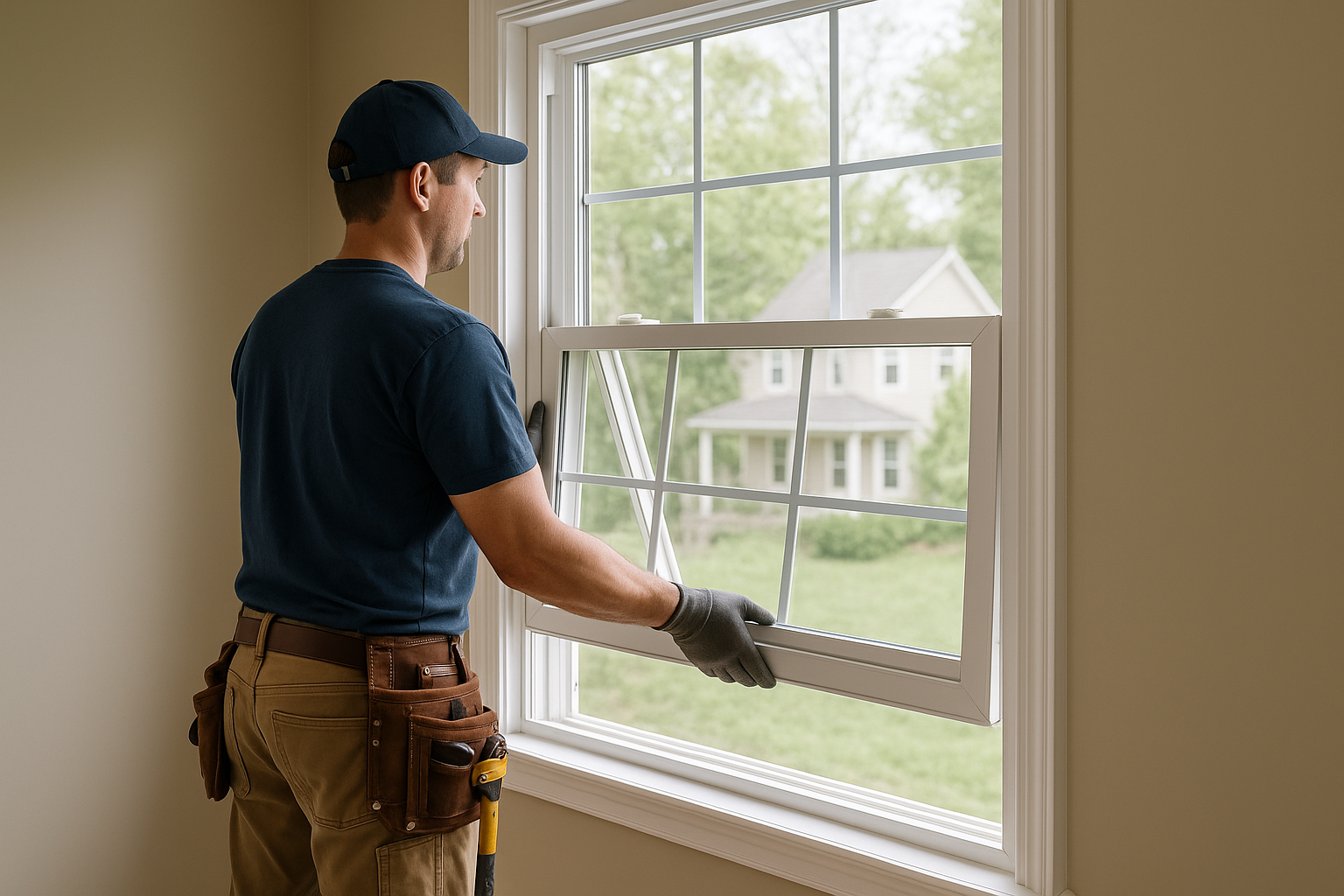
These classic styles are popular for their versatility and traditional appearance. Single-hung windows have a fixed upper sash and a movable lower sash, while double-hung windows allow both sashes to move. Custom sizing makes them a great fit for older homes or openings that are not standard.
Casement Windows
Casement windows are hinged on the side and open outward with a crank. They are a strong choice for ventilation and often provide an excellent seal when closed. Custom casement windows can be designed for narrow or tall openings and can add a clean, modern look.
Picture and Specialty-Shaped Windows
For homeowners who want more natural light or a standout architectural detail, picture windows and specialty shapes are excellent options. These can include arches, circles, trapezoids, or other unique designs that are made to order.
Bay and Bow Windows
Bay and bow windows extend outward from the home, creating more interior space and a dramatic exterior profile. Since these installations require accurate measurements and careful planning, custom fabrication is often essential.
The Custom Window Installation Process
A successful custom window installation depends on accurate planning and professional execution. While each project is different, the general process usually follows a few key steps.
1. Consultation and Assessment
The process begins with an in-home consultation or design review. A professional installer examines the existing windows, checks the condition of the surrounding structure, and discusses the homeowner’s goals for style, performance, and budget.
2. Precise Measurements
Exact measurements are critical. Because custom windows are built to fit specific openings, even small errors can create problems during installation. A trained installer will measure width, height, depth, and any special conditions that could affect fit.
3. Window Fabrication
Once measurements and design details are finalized, the manufacturer builds the windows to order. This stage can take longer than buying standard windows, but the result is a product that fits the home more accurately.
4. Installation and Sealing
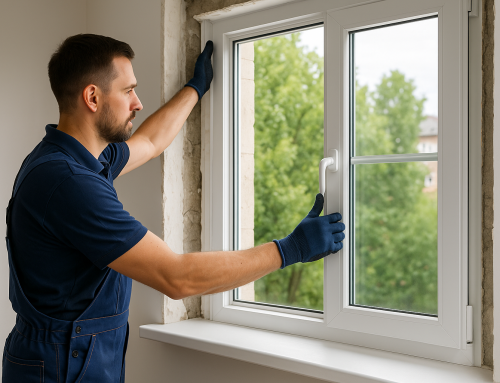
During installation, the old windows are removed, the openings are prepared, and the new windows are set in place. Installers then secure the units, add insulation where needed, and seal the edges to protect against air and water infiltration. Quality flashing and caulking are especially important for long-term performance.
5. Final Inspection
After the windows are installed, the team should test operation, check for smooth movement, confirm proper sealing, and inspect the finish work. This final step helps ensure the windows are performing as expected.
Benefits of Professional Installation
Even the best custom windows will not perform well if they are installed incorrectly. Professional installation is one of the most important parts of the project because it affects durability, energy efficiency, and warranty coverage.
Experienced installers know how to handle unexpected issues such as framing damage, uneven openings, or hidden moisture problems. They also understand the importance of leveling, securing, and sealing each unit properly. For homeowners, this means fewer headaches and better long-term results.
Professional installation can also save time and reduce the risk of costly mistakes. Instead of dealing with gaps, drafts, sticking sashes, or water leaks later, homeowners can enjoy a smoother process from start to finish.
How to Choose the Right Custom Window Options
Choosing the right custom windows starts with understanding your priorities. If energy savings are important, look for insulated glass packages, low-E coatings, and strong frame materials. If you want low maintenance, vinyl or fiberglass frames may be a better fit than wood.
Style matters too. The windows should complement your home’s architecture rather than clash with it. Pay attention to frame color, grille patterns, and opening style so the finished installation feels cohesive.
It is also wise to think about the room itself. Kitchens may benefit from windows that open easily for ventilation, while living areas may call for large picture windows that bring in more daylight. Bedrooms often need a balance of airflow, privacy, and energy efficiency.
Common Mistakes to Avoid
One of the most common mistakes is choosing windows based on price alone. Lower-cost products may not provide the fit, performance, or durability you need. Another mistake is skipping professional measurement and installation, which can lead to avoidable problems later.
Homeowners should also avoid ignoring the condition of the surrounding wall or frame. If there is rot, moisture damage, or structural movement, those issues should be addressed before new windows are installed. Taking the time to prepare properly helps protect your investment.
Conclusion
Custom window installation is a smart way to improve comfort, appearance, and efficiency while ensuring a precise fit for your home. With the right design choices and professional installation, custom windows can deliver lasting value and a noticeable upgrade to your living space.